

Enterprises need centralized dashboards to manage AI model access and costs by department to prevent budget overruns and ensure compliance. Acumen Velocity provides the AI Workbench, a secure workspace that unifies major AI models under one contract with department-level chargeback capabilities. This guide covers AI cost monitoring, enterprise AI gateways, and LLM usage dashboards to help you build a transparent and efficient AI infrastructure.
AI Cost Monitoring
AI cost monitoring is the process of tracking and analyzing the financial expenditure associated with the use of artificial intelligence models and services. As organizations adopt multiple AI subscriptions, costs often become fragmented and opaque. Without centralized visibility, finance teams struggle to allocate budgets accurately. This leads to unexpected overruns and inefficient resource allocation.
The Problem with Fragmented Subscriptions
Most companies currently manage AI tools on a team-by-team basis. Each department selects its own preferred model, resulting in a patchwork of subscriptions. This approach creates a significant blind spot for IT and finance leaders. They lack a unified view of who is using what and what it costs. Consequently, AI budgets are often set based on assumptions rather than actual usage data.
Implementing Department-Level Chargeback
Effective cost monitoring requires the ability to attribute expenses to specific departments or projects. This is known as chargeback. By implementing a system that reports usage by department, IT can ensure that each business unit accounts for its own AI consumption. This transparency encourages responsible usage and helps leadership make informed decisions about scaling AI initiatives. It transforms AI spend from a black box into a manageable budget line.
Strategic Budgeting Based on Real Data
When you have accurate cost data, you can plan more effectively. Instead of guessing, you can see which models deliver the most value for the least cost. This data-driven approach allows you to optimize your AI portfolio. You can shift routine tasks to lower-cost models and reserve premium models for complex, high-value tasks. This strategy maximizes return on investment and ensures sustainable growth.
Enterprise AI Gateways
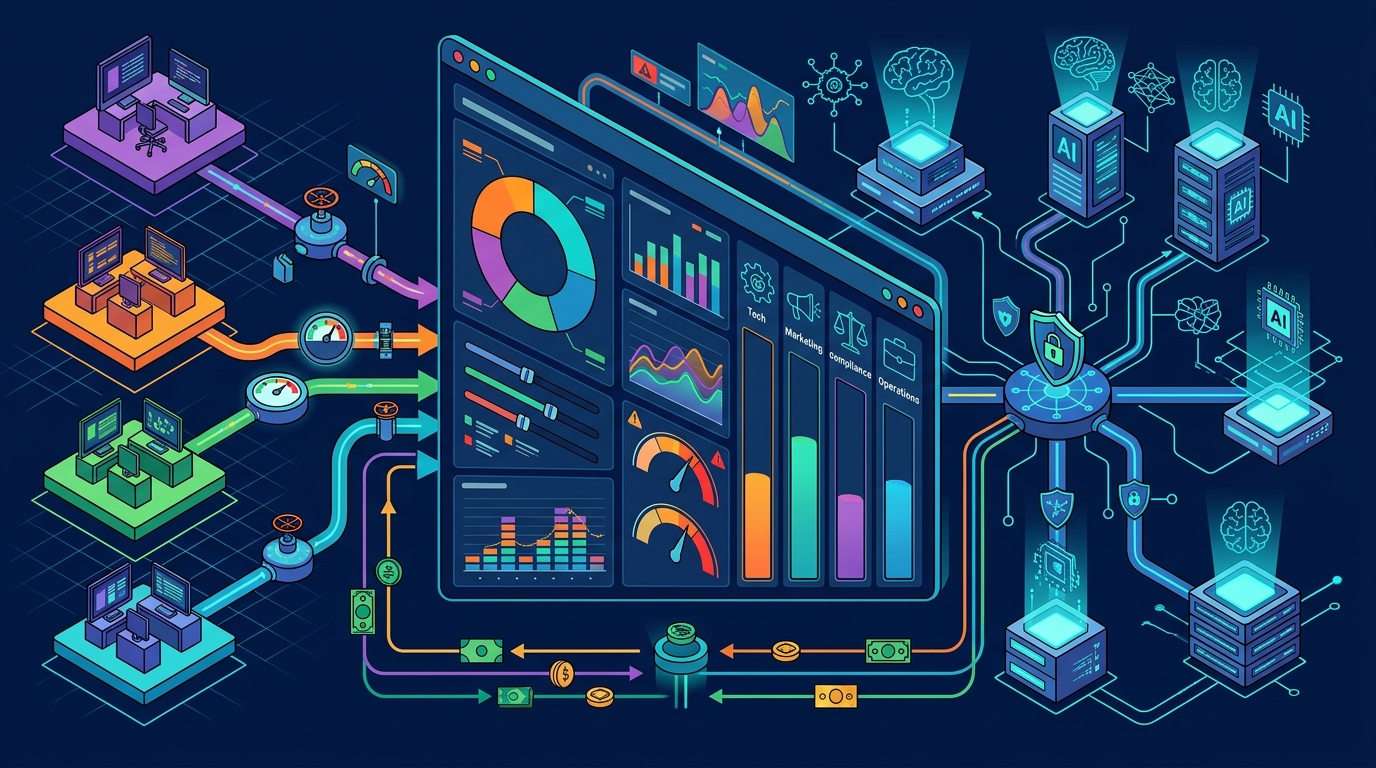
An enterprise AI gateway is a centralized platform that acts as a single point of entry for all AI model requests within an organization. It provides a unified interface for accessing various AI models, such as ChatGPT, Claude, and Gemini. This abstraction layer simplifies development and management for IT teams. It ensures that all AI interactions are secure, monitored, and compliant with organizational policies.
Unified Access to Multiple Models
One of the primary benefits of an AI gateway is the ability to access multiple models through a single interface. Developers do not need to manage separate API keys or integrations for each provider. They can choose the best model for a specific task from a unified catalog. This flexibility allows teams to leverage the strengths of different models without the overhead of complex integration work. It also ensures that user history and context remain within the organization, rather than being tied to a single vendor.
Automated Model Routing
Advanced AI gateways include intelligent routing capabilities. This feature automatically directs requests to the most appropriate model based on the task requirements. For example, routine queries might be routed to a lower-cost, faster model, while complex reasoning tasks are sent to a premium model. This automation optimizes both performance and cost. It ensures that you are not paying for high-end capabilities when they are not needed. This is a critical component of efficient AI cost management.
Security and Governance Controls
Security is paramount when deploying AI at scale. An enterprise AI gateway provides a controlled environment for AI usage. It enforces security policies, monitors for potential threats, and ensures compliance with data privacy regulations. By centralizing access, IT can maintain strict control over who can use AI and how. This reduces the risk of data leakage and unauthorized access. It provides a secure foundation for enterprise-wide AI adoption.
LLM Usage Dashboards
LLM usage dashboards are visual interfaces that display real-time and historical data on the consumption of large language models. They provide insights into usage patterns, costs, and performance metrics. These dashboards are essential for IT, finance, and leadership teams to understand the impact of AI on the organization. They transform raw usage data into actionable insights.
Key Metrics to Track
Effective LLM usage dashboards track several key metrics. These include total tokens consumed, number of requests, and cost per department. They also monitor model performance, such as response time and accuracy. By tracking these metrics, organizations can identify trends and anomalies. For example, a sudden spike in usage might indicate a new project launch or a potential security issue. Early detection allows for timely intervention and optimization.
Empowering Leadership with Data
Leadership teams rely on usage dashboards to make strategic decisions. They can see which departments are adopting AI and how it is being used. This visibility helps them align AI initiatives with business goals. They can identify areas where AI is driving value and where it is not. This data-driven approach ensures that AI investments are aligned with the organization's strategic objectives. It supports a culture of data-driven decision-making.
Planning for the Future
Usage data is not just for retrospective analysis; it is also for future planning. By analyzing historical usage patterns, organizations can forecast future demand. This helps in capacity planning and budgeting. It allows IT to anticipate scaling needs and negotiate better rates with providers. A clear roadmap based on actual usage data ensures that the organization is prepared for growth. It reduces the risk of under-provisioning or over-provisioning resources.
Comparison of AI Management Approaches
| Cost Visibility | Fragmented and opaque | Unified and transparent |
| Model Access | Multiple separate integrations | Single unified interface |
| Security Control | Varies by team | Centralized and consistent |
| Chargeback Capability | Difficult to implement | Native support |
| Data Ownership | Tied to individual vendors | Owned by the organization |
Key Takeaways
- Centralized dashboards are essential for managing AI costs and access in large organizations.
- Department-level chargeback ensures accountability and efficient budget allocation.
- Enterprise AI gateways provide a secure and unified interface for multiple AI models.
- Automated model routing optimizes performance and reduces costs by matching tasks to the right model.
- LLM usage dashboards provide real-time insights into consumption and performance.
- Ownership of data and context remains with the organization when using a centralized gateway.
- Usage data supports strategic planning and future capacity forecasting.
- Acumen Velocity's AI Workbench offers a pilot program to test these capabilities with a small group.
Frequently Asked Questions
What is an enterprise AI gateway?
An enterprise AI gateway is a centralized platform that provides a single point of entry for accessing various AI models. It abstracts the complexity of managing multiple providers and ensures secure, monitored, and compliant usage across the organization.
How does department-level chargeback work?
Department-level chargeback attributes AI usage costs to specific business units. This is achieved by tracking usage by department and reporting it to finance. It ensures that each team accounts for its own AI consumption, promoting responsible usage and accurate budgeting.
Why is centralized AI cost monitoring important?
Centralized AI cost monitoring provides a unified view of all AI expenditures. This visibility helps organizations identify inefficiencies, prevent budget overruns, and make informed decisions about scaling AI initiatives. It transforms AI spend from a black box into a manageable budget line.
Can I use multiple AI models with a single gateway?
Yes, a key feature of an enterprise AI gateway is the ability to access multiple AI models through a single interface. This allows developers to choose the best model for a specific task without managing separate integrations for each provider.
How does automated model routing save costs?
Automated model routing directs requests to the most appropriate model based on task complexity. Routine tasks are routed to lower-cost models, while complex tasks are sent to premium models. This optimization ensures that you are not paying for high-end capabilities when they are not needed.
What metrics should I track in an LLM usage dashboard?
Key metrics include total tokens consumed, number of requests, cost per department, response time, and accuracy. Tracking these metrics helps identify trends, anomalies, and areas for optimization. It provides a comprehensive view of AI usage and performance.
How does Acumen Velocity help with AI cost management?
Acumen Velocity offers the AI Workbench, a secure workspace that unifies major AI models under one contract. It provides department-level chargeback, automated model routing, and usage reporting. This helps organizations manage AI costs and access effectively.
Is my data secure when using a centralized AI gateway?
Yes, enterprise AI gateways provide a controlled environment for AI usage. They enforce security policies, monitor for threats, and ensure compliance with data privacy regulations. Centralizing access allows IT to maintain strict control over who can use AI and how.
Conclusion
Managing AI model access and costs is a critical challenge for modern enterprises. Fragmented subscriptions and opaque spending can lead to inefficiencies and budget overruns. A centralized approach, using an enterprise AI gateway and LLM usage dashboards, provides the visibility and control needed to succeed. It ensures that AI investments are aligned with business goals and that data remains secure and owned by the organization.
Acumen Velocity's AI Workbench offers a practical solution to these challenges. It provides a secure workspace for accessing major AI models, with features like department-level chargeback and automated model routing. By starting with a small pilot, you can gain a clear picture of your organization's AI usage and develop a roadmap for the future. To explore how the AI Workbench can transform your AI strategy, request a pilot today.