

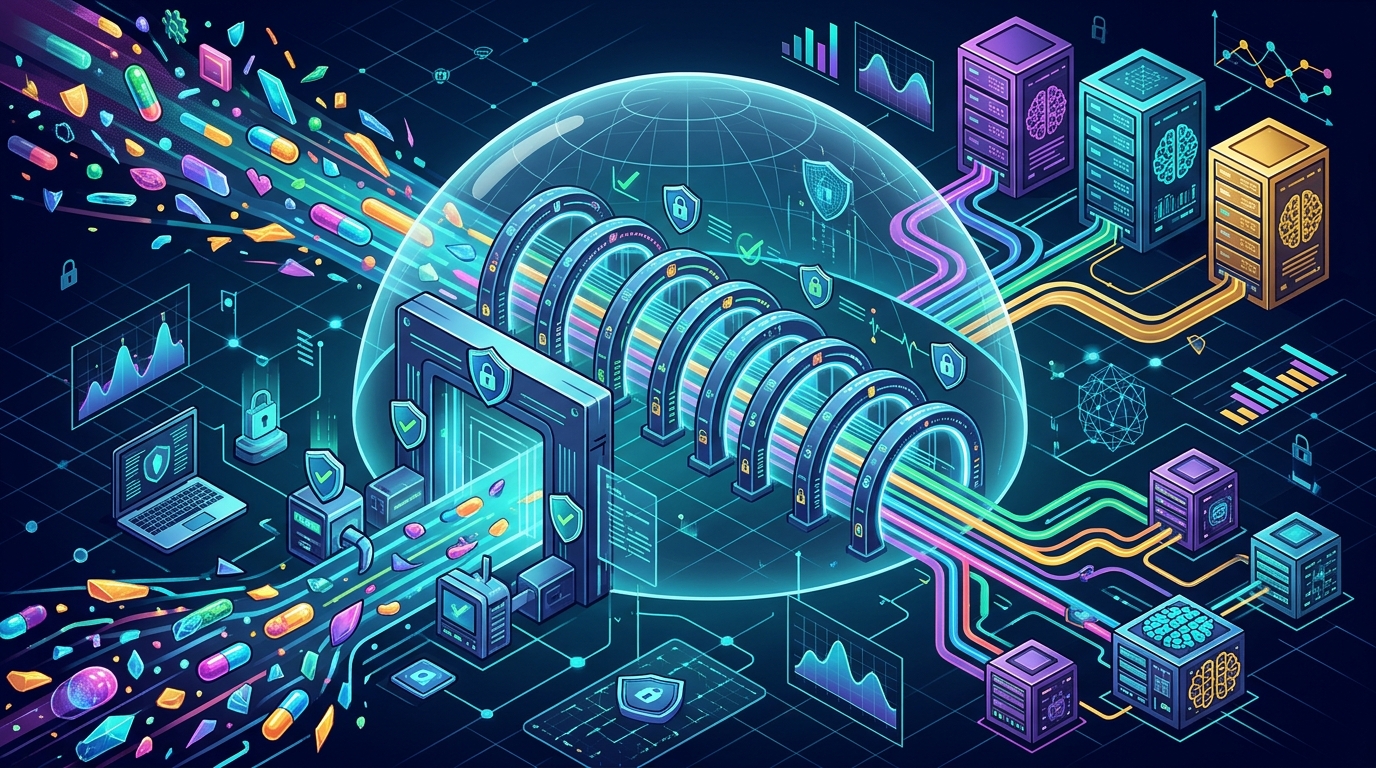
Enterprise AI gateways are unified access layers that route requests to multiple large language models while enforcing security and governance. Organizations need these gateways to prevent fragmented AI adoption and ensure that every team uses approved models under a single contract. Acumen Velocity helps enterprises implement these secure access points to manage AI spend and data integrity effectively.
1. Unified Model Access and Routing
Centralize access to all major AI models in a single secure workspace. A true gateway provides a single interface for ChatGPT, Claude, Gemini, and other specialized models. This eliminates the need for separate subscriptions and ensures that each request is routed to the model that best fits the specific task. Acumen Velocity's AI Workbench provides this unified access, allowing IT to maintain control while giving employees the flexibility they need.
2. Automated Cost Optimization and Chargeback
Automate routing to lower-cost models for routine tasks to control budgets. Without intelligent routing, organizations often pay premium prices for simple requests. A robust gateway automatically sends routine work to lower-cost models while reserving top-tier models for complex tasks. It also provides usage reporting by department, enabling IT to implement accurate chargeback and align AI spend with business value.
3. Data Sovereignty and Context Ownership
Ensure that user history and context remain owned by the organization, not the vendor. When teams use individual vendor tools, their data and context are often tied to that specific provider. An enterprise gateway keeps this history within the organization's secure environment. This prevents vendor lock-in and ensures that institutional knowledge remains an asset that the company can leverage across different AI models over time.
4. Granular Security and Compliance Controls
Enforce strict security policies and compliance standards across all AI interactions. Enterprise gateways must integrate with existing identity and access management systems to ensure only authorized users can access specific models. They also provide audit trails for every request, which is critical for meeting regulatory requirements. Acumen Velocity integrates these controls with its data governance frameworks to ensure that AI usage aligns with corporate security policies.
5. Scalable Deployment and Integration
Deploy the gateway in a dedicated tenant that scales with your organization. The gateway should run on secure hosting that can accommodate growth from a small pilot group to enterprise-wide adoption. It must also support integration with existing data agents, MCP servers, and web access points. This ensures that the AI layer fits seamlessly into your current data architecture without requiring disruptive changes to your infrastructure.
6. Real-Time Usage Analytics and Roadmapping
Use actual usage data to plan the next 12 months of AI strategy. Assumptions about AI needs often lead to poor budgeting. A gateway provides leaders with a clear view of what each department actually uses AI for. This data-driven approach allows organizations to build a realistic roadmap for AI development, ensuring that investments are directed toward high-value use cases rather than speculative projects.
7. Vendor-Neutral Contracting and Billing
Consolidate multiple AI vendor relationships into a single contract and bill. Managing separate contracts with OpenAI, Anthropic, and Google creates administrative overhead and complicates procurement. An enterprise gateway holds the contracts with these providers and negotiates private rates based on your aggregated usage. This simplifies the financial relationship and provides a single point of contact for all AI-related billing and support.
Choosing the Right Gateway
Select a gateway that prioritizes data ownership and automated cost control over simple model access. The best solution will treat AI as a governed data asset rather than a collection of individual tools. Acumen Velocity provides the expertise to implement these gateways, ensuring that your organization gains the benefits of multi-model AI without sacrificing security or control.
Frequently Asked Questions
What is an enterprise AI gateway?
An enterprise AI gateway is a secure software layer that provides unified access to multiple large language models. It handles routing, security, and billing for AI requests across an organization.
How does an AI gateway reduce costs?
It reduces costs by automatically routing simple tasks to lower-cost models and consolidating vendor contracts into a single bill with negotiated rates.
Can an AI gateway prevent vendor lock-in?
Yes, by keeping user history and context within the organization's environment, the gateway ensures that data is not tied to a single AI provider.
Who manages the AI gateway in an enterprise?
IT and data teams typically manage the gateway, using it to enforce security policies and monitor usage across different departments.
How long does it take to deploy an AI gateway?
Deployment often starts with a two-month pilot involving 10 to 25 people before scaling to the entire organization. Learn more: Contact us Acumen Velocity.