

Companies detect shadow AI by monitoring network traffic, analyzing endpoint logs, and reviewing cloud access patterns. This matters because unapproved tools often bypass security controls, exposing sensitive data to third-party risks. Acumen Velocity helps organizations establish the governance frameworks needed to identify and manage these hidden AI workflows effectively.
Defining Shadow AI in the Enterprise
Shadow AI is the use of artificial intelligence tools by employees without explicit approval from IT or security teams. This behavior typically arises when standard enterprise tools are perceived as too slow, restrictive, or expensive for daily tasks. Employees often turn to consumer-grade applications to solve immediate problems, creating a parallel ecosystem of unmanaged software.
The primary risk is not the technology itself, but the lack of oversight. When data flows through unvetted channels, organizations lose visibility into where their intellectual property resides. This opacity makes it difficult to enforce compliance with regulations like GDPR or HIPAA. Understanding the scope of this issue is the first step toward securing the data estate.
Technical Methods for Discovery
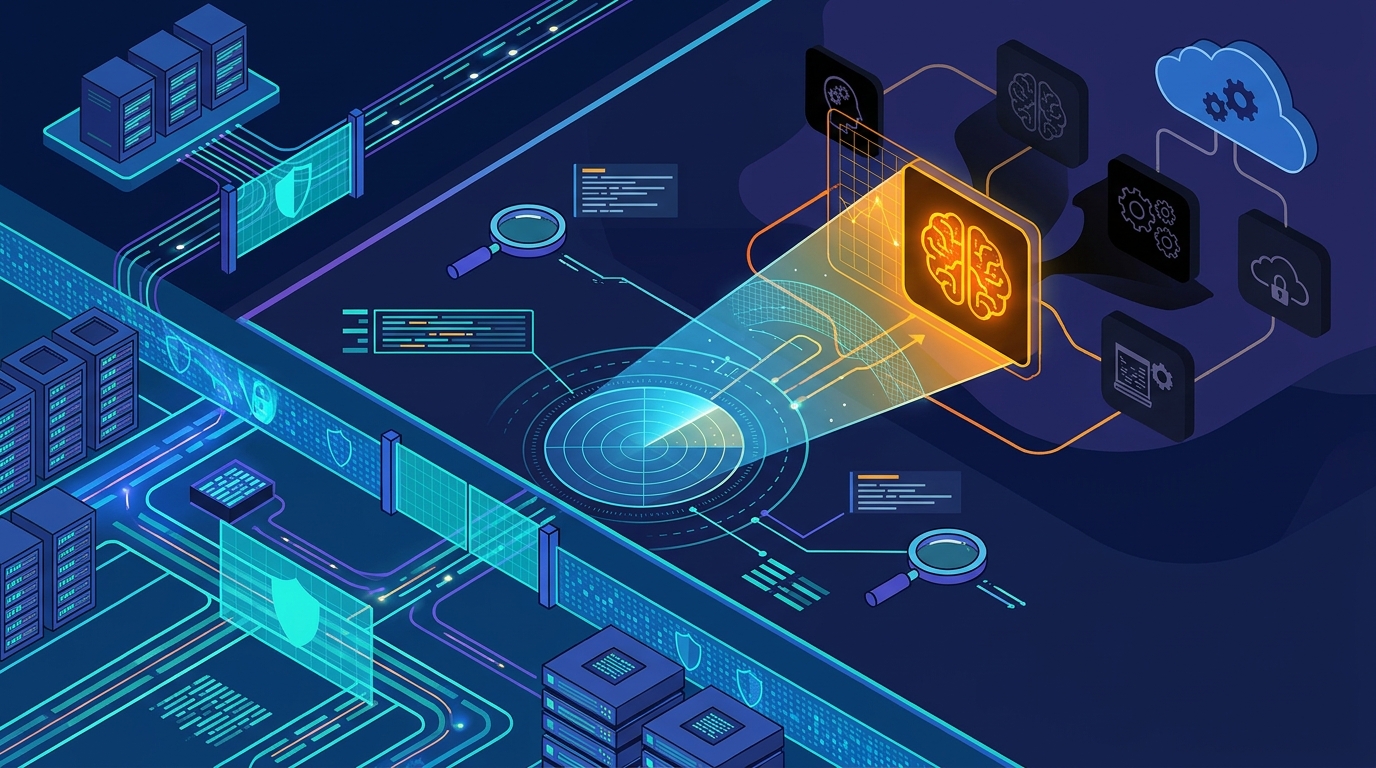
Identifying these tools requires a multi-layered approach to network and endpoint monitoring. Security teams can deploy network detection and response (NDR) solutions to flag unusual data exfiltration patterns. For example, a sudden spike in encrypted traffic to a non-corporate domain often indicates the use of an external AI chatbot.
Endpoint detection and response (EDR) agents provide another critical layer of visibility. These agents can identify unauthorized applications installed on user devices. By correlating process names and file hashes against a known list of approved software, IT teams can pinpoint specific machines running unapproved AI clients. This technical discovery process is essential for mapping the true extent of shadow AI usage.
The Security and Compliance Implications
The consequences of undetected shadow AI extend beyond simple policy violations. Data leakage is the most significant threat, as employees may paste confidential client information into public models for analysis. This practice can lead to permanent data exposure, as many consumer AI tools retain user inputs for training purposes.
Compliance failures also pose severe financial and legal risks. In regulated industries, the inability to prove data lineage can result in heavy fines. Acumen Velocity emphasizes that data governance and compliance strategies must account for these new vectors. Without proper controls, organizations face a gap between their stated security policies and their actual operational reality.
Building a Governance Framework
Discovery is only half the solution; organizations must also establish clear policies for AI usage. A robust governance framework defines which tools are approved, how data can be processed, and what the consequences of misuse are. This requires collaboration between IT, legal, and business units to create guidelines that are both secure and practical.
Implementing a data strategy that includes AI readiness is crucial for long-term success. Acumen Velocity offers data strategy and consulting services to help leaders align their AI initiatives with business goals. By proactively managing the AI landscape, companies can reduce the incentive for employees to seek out unauthorized alternatives.
Fostering a Secure AI Culture
Technical controls alone cannot eliminate shadow AI; cultural change is equally important. Organizations must educate employees on the risks of using unapproved tools and provide them with safe, efficient alternatives. Training programs should focus on practical examples of data leakage and the importance of data privacy.
Creating a culture of transparency encourages employees to report their AI usage rather than hiding it. When staff members feel supported by their IT teams, they are less likely to bypass security protocols. This cultural shift is a key component of a mature data-driven organization, ensuring that innovation does not come at the cost of security.
Key Takeaways
- Shadow AI refers to the unauthorized use of AI tools by employees, creating significant security risks.
- Network monitoring and endpoint detection are the primary technical methods for discovering unapproved AI usage.
- Data leakage through public AI models is the most critical threat associated with shadow AI.
- Compliance failures can result in severe financial penalties and legal liability for regulated industries.
- A comprehensive governance framework is necessary to define approved tools and usage policies.
- Cultural education and the provision of safe alternatives are essential for reducing shadow AI behavior.
Frequently Asked Questions
What is the most common reason employees use shadow AI?
Employees often use shadow AI because approved enterprise tools are perceived as too slow, complex, or restrictive for their daily tasks. Consumer-grade AI tools offer a faster, more intuitive experience, leading users to bypass IT controls to improve their productivity.
How can IT teams detect unapproved AI tools on employee devices?
IT teams can use endpoint detection and response (EDR) agents to identify unauthorized applications. By monitoring process names and file hashes, security teams can flag devices running software that is not on the approved list.
Does using a public AI tool always result in data leakage?
While not every interaction results in a breach, using public AI tools significantly increases the risk of data exposure. Many consumer AI services retain user inputs for model training, meaning sensitive data could be permanently stored and potentially accessed by others.
What role does data governance play in managing shadow AI?
Data governance provides the policies and controls necessary to manage AI usage. It defines what data can be processed, where it can be stored, and who has access to it, ensuring that AI tools are used in a compliant and secure manner.
How can organizations reduce the incentive for employees to use unapproved tools?
Organizations can reduce this incentive by providing safe, efficient, and user-friendly AI alternatives. When employees have access to approved tools that meet their productivity needs, they are less likely to seek out unauthorized solutions.
Conclusion
Detecting and managing shadow AI is a critical challenge for modern enterprises. By combining technical discovery methods with strong governance and cultural education, organizations can secure their data while enabling innovation. Acumen Velocity is committed to helping businesses navigate this complex landscape, ensuring that their data strategies are both secure and effective. To learn more about how to strengthen your data governance framework, contact our team. Learn more: Contact us.