

Organizations relying on Google Enterprise Translation Hub (ETH) face a critical transition as the service is deprecated. The best alternatives are AI-powered platforms that offer scalable document processing, strict compliance controls, and seamless integration with existing data ecosystems. This guide explores how to replace ETH with robust machine translation platforms, navigate government compliance requirements, and automate translation workflows using modern data architectures.
Machine Translation Platforms
Machine translation platforms are software systems that use artificial intelligence to convert text from one language to another. As organizations move away from deprecated tools, they must evaluate platforms that offer more than basic text conversion. The modern enterprise requires a solution that handles complex document structures, maintains context across pages, and integrates with broader data strategies.
Evaluating AI-Powered Translation Engines
Traditional rule-based translation is no longer sufficient for enterprise needs. Modern platforms leverage neural machine translation (NMT) and large language models to provide higher accuracy and natural-sounding output. When selecting a replacement, look for engines that support a wide range of languages and can be fine-tuned with domain-specific terminology. This ensures that technical, legal, or medical documents are translated with precision rather than generic phrasing.
Integration with Data Ecosystems
Translation does not exist in a vacuum. It is part of a larger data lifecycle. Acumen Velocity emphasizes that data readiness is a continuous process. A strong translation platform should integrate with your existing data lake or warehouse. This allows translated content to be stored, versioned, and analyzed alongside your other data assets. By using open standards like Apache Iceberg, organizations can ensure that translated data remains accessible and interoperable across different cloud environments and analytics tools.
The Role of Human-in-the-Loop
While AI handles the bulk of translation, high-stakes documents often require human review. The best platforms include Human-in-the-Loop (HITL) capabilities. This allows subject matter experts to review, edit, and approve translations. This hybrid approach balances speed with accuracy, ensuring that the final output meets quality standards while still leveraging the efficiency of automation.
Government Translation Compliance
Government translation compliance is the adherence to legal and regulatory standards that ensure translated documents are accurate, secure, and accessible. For public sector agencies, the stakes are higher than in the private sector. Errors in translated legal notices, healthcare records, or public safety information can have severe consequences. Therefore, the platform chosen must meet strict security and compliance benchmarks.
Security and Data Sovereignty
Government agencies must protect sensitive data. This includes personally identifiable information (PII) and classified documents. A compliant translation platform must offer enterprise-grade security features. This includes encryption in transit and at rest, role-based access control, and audit logs. Furthermore, data sovereignty is a critical concern. Agencies often require that data remains within specific geographic boundaries. Cloud-based solutions must offer the flexibility to host data in compliant regions or on-premises if necessary.
Regulatory Standards and Accessibility
Compliance extends beyond security to accessibility and regulatory frameworks. In the United States, agencies must adhere to laws such as the Americans with Disabilities Act (ADA) and Section 508. Translated documents must be accessible to individuals with disabilities. This means that the output format must support screen readers and other assistive technologies. Additionally, agencies must ensure that translations meet specific regulatory requirements for their sector, whether it is healthcare, finance, or public administration.
Audit Trails and Lineage
Transparency is key in government operations. A robust platform provides a complete audit trail for every translation. This includes who requested the translation, who reviewed it, and when it was approved. Data lineage is also important. It tracks the origin of the source document and the version of the translation engine used. This level of transparency helps agencies demonstrate compliance during audits and ensures accountability throughout the translation process.
Translation Workflow Automation
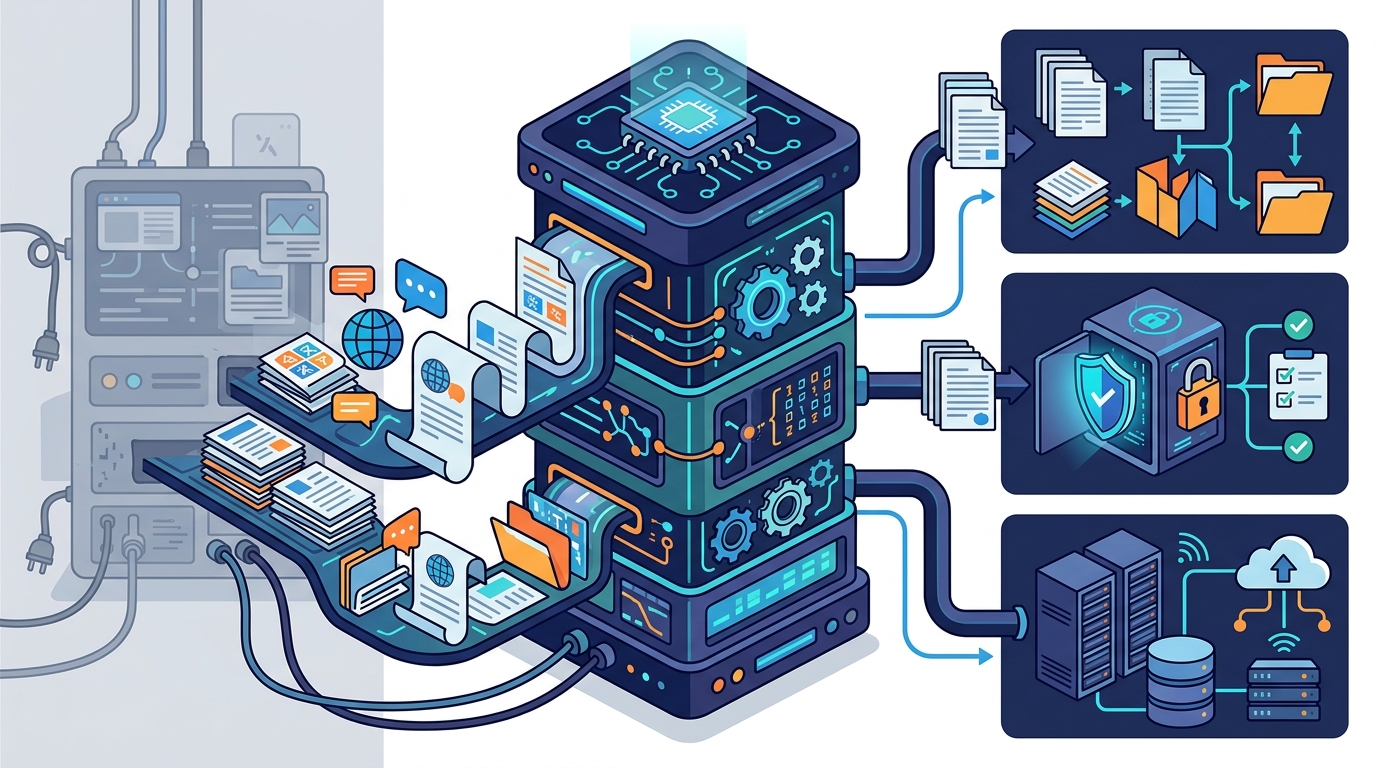
Translation workflow automation is the use of software to streamline the end-to-end process of translating documents, from ingestion to final delivery. Manual translation processes are slow and prone to error. Automation reduces the time required to process documents and ensures consistency. By automating the workflow, organizations can handle high volumes of documents without increasing headcount.
Automated Data Extraction and Ingestion
The first step in the workflow is getting the document into the system. Modern platforms use AI to extract text from various file formats, including PDFs, Word documents, and scanned images. This process, known as data extraction, is critical for accuracy. If the text is extracted incorrectly, the translation will be flawed. Acumen Velocity’s approach to data ingestion focuses on using AI to intelligently map and clean data before it enters the translation engine. This ensures that the input is high-quality and ready for processing.
Batch Processing and Scheduling
Enterprises often need to translate large batches of documents at once. For example, a government agency might need to translate thousands of public notices every month. A good platform supports batch processing and scheduling. This allows users to set up automated jobs that run on a regular schedule. The system can prioritize documents based on urgency or importance. This ensures that critical documents are translated first, while routine documents are processed in the background.
Integration with Content Management Systems
Translated documents are often published on websites or distributed through internal systems. The translation platform should integrate with content management systems (CMS) and document management systems (DMS). This allows translated content to be automatically published or archived. It eliminates the need for manual copying and pasting, which reduces the risk of errors. By integrating with existing systems, the translation workflow becomes a seamless part of the organization’s digital operations.
| Feature | Legacy Translation Tools | Modern AI-Powered Platforms |
|---|---|---|
| Accuracy | Rule-based, often literal | Neural, context-aware, high accuracy |
| Integration | Standalone, manual export | API-first, integrates with data lakes and CMS |
| Compliance | Basic security | Enterprise-grade, audit trails, data sovereignty |
| Scalability | Limited by manual review | Automated batch processing, elastic scaling |
| Data Lineage | Minimal tracking | Full lineage, versioning, and audit logs |
Key Takeaways
- Google Enterprise Translation Hub is being deprecated, requiring organizations to seek alternative solutions.
- Modern machine translation platforms use AI to provide higher accuracy and context-awareness than legacy tools.
- Government agencies must prioritize compliance, security, and data sovereignty when selecting a translation platform.
- Workflow automation reduces manual effort and ensures consistency in high-volume translation tasks.
- Integration with data ecosystems, such as data lakes and warehouses, is essential for long-term data management.
- Human-in-the-Loop capabilities are critical for high-stakes documents that require expert review.
- Open standards like Apache Iceberg help ensure that translated data remains interoperable and accessible.
- Acumen Velocity offers a data-driven approach to translation, focusing on data readiness and quality.
Frequently Asked Questions
Why is Google Enterprise Translation Hub being deprecated?
Google has announced the deprecation of the Enterprise Translation Hub (ETH) service. The shutdown is planned for the end of 2024. This decision has left many organizations seeking alternative solutions to manage their translation workflows. The deprecation is part of Google’s broader strategy to focus on other AI and cloud services.
What are the key features to look for in a translation platform?
Key features include high accuracy, support for multiple languages, integration with existing systems, and compliance with security standards. For government agencies, data sovereignty and audit trails are also critical. The platform should also offer Human-in-the-Loop capabilities for review and approval.
How can translation platforms integrate with data lakes?
Translation platforms can integrate with data lakes through APIs. This allows translated documents to be stored in the data lake alongside other data assets. Using open standards like Apache Iceberg ensures that the data remains interoperable and can be accessed by various analytics tools. This integration helps organizations maintain a single source of truth for their data.
What is the role of AI in translation workflow automation?
AI plays a central role in translation workflow automation. It handles tasks such as data extraction, language detection, and translation. AI can also identify documents that require human review based on complexity or sensitivity. This allows the workflow to be efficient while maintaining quality control.
How does Acumen Velocity help with translation data readiness?
Acumen Velocity helps organizations prepare their data for AI and translation. They focus on data quality, governance, and architecture. By ensuring that data is clean, structured, and well-governed, Acumen Velocity enables more accurate and efficient translation. Their solutions are designed to work with modern data platforms and cloud environments.
What are the compliance requirements for government translation?
Government translation must comply with security, accessibility, and data sovereignty regulations. This includes protecting sensitive data, ensuring accessibility for individuals with disabilities, and keeping data within specific geographic boundaries. The platform must provide audit trails and role-based access control to meet these requirements.
Can translation platforms handle unstructured data?
Yes, modern translation platforms can handle unstructured data, such as emails, documents, and images. They use AI to extract text from these formats and translate it. This is important for organizations that deal with a variety of document types. The ability to handle unstructured data ensures that no information is left behind.
How long does it take to implement a new translation platform?
The implementation time depends on the complexity of the organization’s needs. A basic setup can be done in a few weeks, while a full enterprise deployment may take several months. Factors include the number of languages, the volume of documents, and the level of integration required. A phased approach, starting with a pilot, is often recommended.
Conclusion
The deprecation of Google Enterprise Translation Hub presents an opportunity for organizations to modernize their translation infrastructure. By selecting a platform that offers high accuracy, compliance, and automation, enterprises can improve efficiency and reduce risk. Acumen Velocity provides the expertise and solutions needed to navigate this transition. Our focus on data readiness and quality ensures that your translation efforts are built on a solid foundation. To explore how we can help you implement a robust translation strategy, contact our team.