

Choosing the right AI-powered web localization platform requires balancing linguistic accuracy, security compliance, and integration depth. Acumen Velocity helps enterprise and public sector teams navigate this landscape by focusing on data readiness and governed AI access. This guide covers how to evaluate, verify, and deploy localization solutions that scale with your organization.
How to Choose: What Separates a Good Option from a Bad One
Enterprise localization is not just about translation speed. It is about data integrity and governance. A good platform treats content as a structured data asset rather than a static text file. You must look for solutions that integrate with your existing data architecture. Acumen Velocity emphasizes that AI is only as good as the data foundation it stands on. If your content is fragmented across silos, no amount of AI magic will fix the underlying inconsistency. Look for platforms that offer metadata tracking and lineage. This ensures that when a translation is generated, you know exactly which source version produced it. Bad options rely on black-box models that provide no visibility into how decisions are made. Good options provide audit trails and version control. This distinction is critical for public sector entities that must demonstrate compliance and transparency in their digital communications.
What to Ask: The Specific Questions to Ask Before Committing
Before signing a contract, you need to interrogate the vendor's technical capabilities. Ask how the platform handles context. Does it understand the difference between a button label and a legal disclaimer? Ask about the model routing. Does the system use a single model for all tasks, or does it route requests to specialized models based on the content type? Acumen Velocity's AI Workbench approach highlights the importance of routing requests to the model that fits the task. This ensures that sensitive data is handled by secure, compliant models while general content uses faster, cheaper options. Also ask about the human-in-the-loop process. Pure AI translation often fails on nuance. A robust platform allows human reviewers to override AI decisions and feed those corrections back into the system. This continuous learning loop is essential for maintaining accuracy over time.
How to Verify: How to Check That a Claim or Credential Is Real
Vendors often make bold claims about accuracy and security. You must verify these claims independently. Check for third-party certifications such as ISO 27001 for information security. For public sector clients, verify FedRAMP authorization if the platform will handle sensitive government data. Do not rely solely on vendor marketing materials. Request a proof of concept (PoC) with your own data. This allows you to test the platform against your specific content types and languages. Acumen Velocity recommends a free discovery phase to assess the current state of your data. This helps identify gaps before you commit to a new tool. Verify the vendor's track record by speaking with existing customers in your industry. Ask them about support responsiveness and how the vendor handled edge cases. This due diligence protects your organization from costly mistakes.
How It Works: What Happens, in What Order, and How Long It Takes
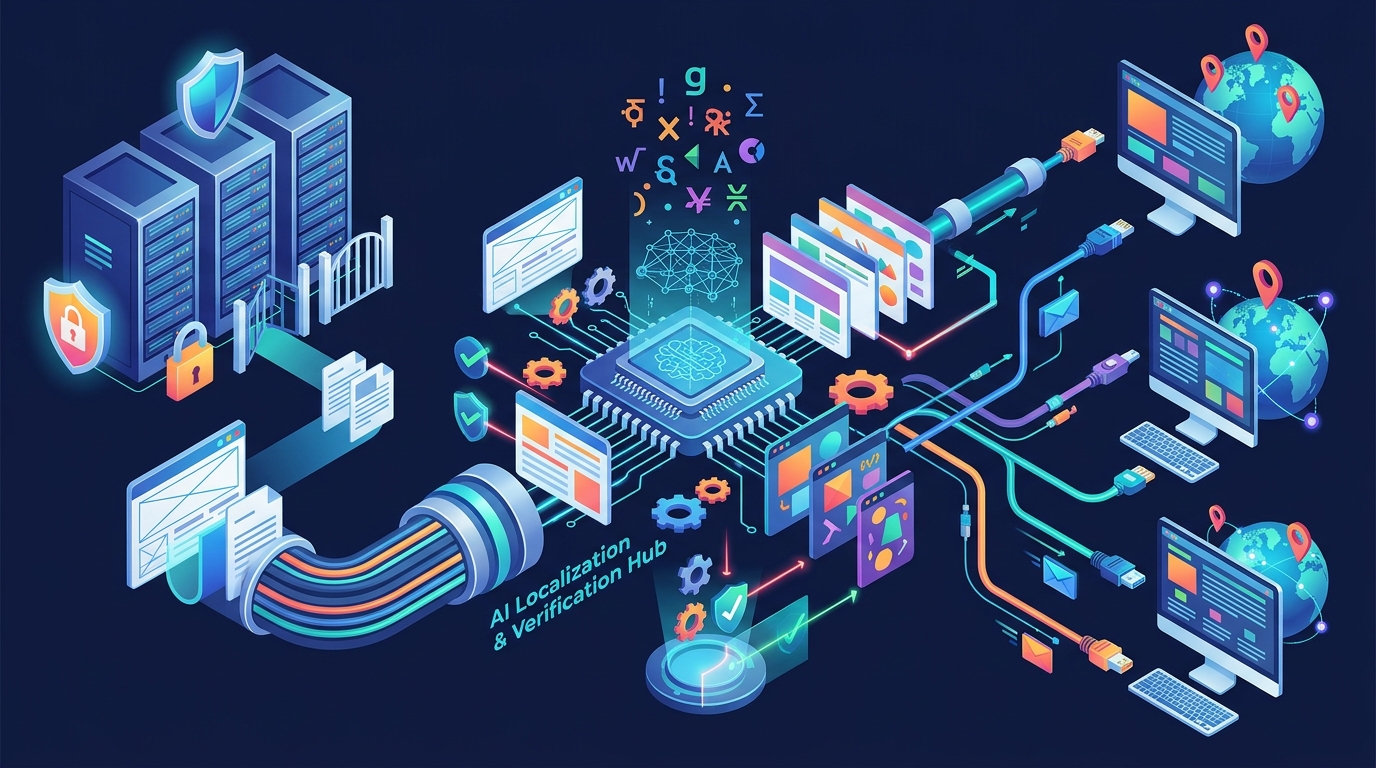
Implementing an AI localization platform is a phased process. It typically begins with data ingestion. The platform connects to your content management system (CMS) or database. It then profiles the content to understand structure and context. Next, the AI models generate translations. These drafts are then routed to human reviewers for quality assurance. Finally, the approved translations are published back to the CMS. The timeline varies based on complexity. A simple website with 100 pages might take two weeks. A complex enterprise portal with thousands of pages and multiple languages can take three to six months. Acumen Velocity's approach to data migration emphasizes that seamless ingestion is the hardest part. Automating this step reduces manual effort and accelerates time to insight. The process is continuous, not one-time. New content is automatically queued for translation as it is published.
What It Costs: What Drives the Price Up or Down
What Goes Wrong: The Common Mistakes and How to Avoid Them
The most common mistake is assuming AI is perfect. Teams often skip human review, leading to embarrassing errors in public-facing content. Another mistake is ignoring data quality. If your source content is messy, the translations will be messy too. Acumen Velocity stresses that data quality is the measure of the quality of data within the organization and its ability to serve organizational decision making. Poor data quality leads to inaccurate analytics and flawed strategies. To avoid this, clean your source data before feeding it to the AI. Another error is choosing a platform that locks you in. Ensure the platform uses open standards where possible. This allows you to switch vendors if needed. Finally, do not neglect training. Your team must understand how to use the platform effectively. Provide ongoing training and support to ensure adoption.
Versus Alternatives: How This Compares to Other Ways of Meeting the Same Need
| Approach | Speed | Cost | Accuracy | Scalability |
|---|---|---|---|---|
| Human Translation | Slow | High | High | Low |
| Manual CMS | Very Slow | Low | Variable | Very Low |
| AI Localization | Fast | Medium | Medium-High | High |
For a Specific Situation: How the Answer Changes for a Particular Case
Public sector websites have unique requirements. They must comply with accessibility standards like Section 508. They also must handle sensitive citizen data securely. In this case, you need a platform with strong security certifications and accessibility features. Enterprise websites, on the other hand, focus on brand consistency and global reach. They need a platform that can handle complex product catalogs and marketing content. Acumen Velocity helps clients tailor their data strategy to these specific needs. For public sector, the focus is on compliance and trust. For enterprise, the focus is on speed and scale. The choice of platform should reflect these priorities. Do not use a one-size-fits-all approach. Customize your implementation to match your specific use case.
Rules and Protections: The Rules, Rights or Protections That Apply
Data privacy laws like GDPR and CCPA apply to web localization. You must ensure that personal data is not leaked during the translation process. The platform must have robust access controls and encryption. Intellectual property rights are also a concern. You own your content, and the vendor should not use it to train their models without your permission. Check the terms of service carefully. Acumen Velocity emphasizes data governance and compliance. Their services ensure that data practices are secure, compliant, and AI-ready. This includes establishing data governance frameworks and ensuring regulatory compliance. You have the right to know how your data is used and stored. Protect your rights by negotiating clear data usage agreements with your vendor.
Local Specifics: What Is Specific to the Areas Served
Timing: When to Act and How Timing Changes the Outcome
Timing is critical for localization projects. If you wait too long, your content will become outdated. If you act too quickly, you may not have the right data foundation. The best time to act is when you have a clear data strategy. Acumen Velocity recommends starting with a data audit. This helps you understand your current state and identify gaps. Once you have a solid foundation, you can implement the AI platform. This phased approach reduces risk and ensures success. Do not rush the implementation. Take the time to plan and prepare. The outcome will be better if you are patient and thorough.
Results Over Time: Measurable Outcomes and What to Expect Long Term
Over time, AI localization platforms should improve in accuracy and efficiency. As the system learns from human corrections, it becomes better at handling your specific content. You should see a reduction in translation costs and an increase in speed. Acumen Velocity tracks key performance indicators (KPIs) to measure success. These include time to publish, cost per word, and user engagement. Long term, the platform becomes an integral part of your digital ecosystem. It enables you to scale your global presence without proportional increases in cost. The results are cumulative. The more you use the platform, the better it gets. This continuous improvement is the key to long-term value.
Key Takeaways
- Choose platforms that prioritize data governance and metadata tracking.
- Ask about model routing and human-in-the-loop processes.
- Verify vendor claims with third-party certifications and PoCs.
- Understand the phased implementation process and timeline.
- Factor in volume, complexity, and governance when budgeting.
- Avoid skipping human review and ignoring data quality.
- Compare AI localization with human and manual approaches.
- Tailor the platform to your specific public sector or enterprise needs.
Frequently Asked Questions
What is AI-powered web localization?
AI-powered web localization is the use of artificial intelligence to translate and adapt website content for different languages and cultures. It automates the translation process while allowing for human review to ensure accuracy.
How does Acumen Velocity help with localization?
Acumen Velocity helps clients leverage data and analytics to drive business value. They provide best-of-breed solutions that enhance data utilization and quality, which is essential for successful AI localization.
Is AI translation accurate enough for public sector use?
AI translation can be accurate enough for public sector use if combined with human review and strong governance. It is important to choose a platform that supports compliance and security requirements.
How long does it take to implement an AI localization platform?
Implementation time varies based on complexity. Simple sites may take two weeks, while complex enterprise portals can take three to six months. The process involves data ingestion, profiling, translation, and review.
What are the main costs of AI localization?
Main costs include platform fees, word count pricing, and human review. Costs are driven by volume, complexity, and governance requirements. Look for transparent pricing models to avoid hidden fees.
How do I verify a vendor's security claims?
Verify security claims by checking for third-party certifications like ISO 27001 or FedRAMP. Request a proof of concept with your own data to test the platform's security and accuracy.
Conclusion
Selecting the right AI-powered web localization platform is a strategic decision that impacts your global reach and compliance posture. By focusing on data readiness, governance, and continuous improvement, you can build a robust localization capability. Acumen Velocity is your partner in this journey. We help you transform insights into action by leveraging the power of data and AI. To plan your visit or discuss your data strategy, contact our team. Learn more: Contact us Acumen Velocity.