

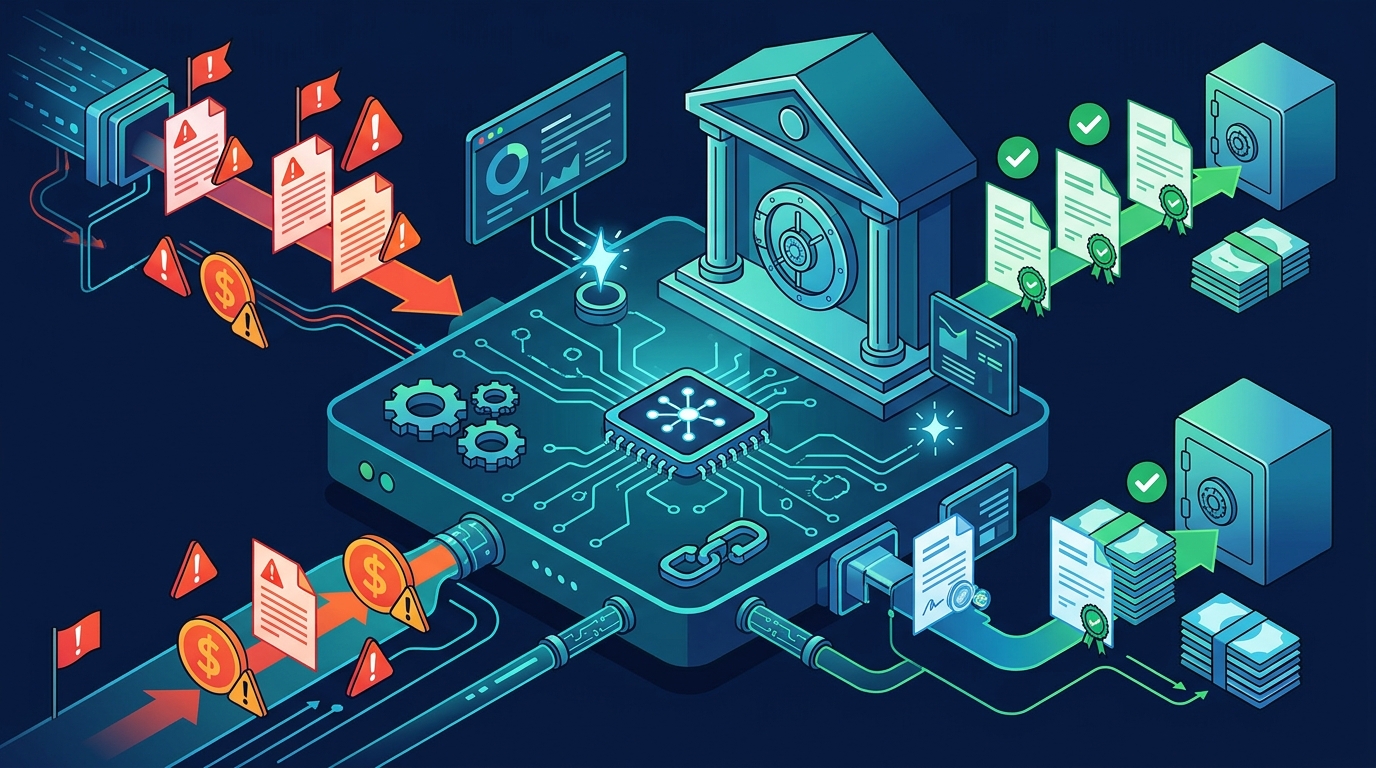
Dispute management is the process of handling customer complaints, chargebacks, and regulatory inquiries through a centralized system. Banks face increasing pressure to resolve these issues quickly while maintaining strict compliance standards. The right platform automates workflows, reduces manual effort, and improves customer satisfaction. This guide highlights seven leading platforms that help financial institutions streamline dispute resolution in 2026.
1. Fiserv Dispute Management
Best for large-scale banking operations with deep payment network integration.
Fiserv offers a comprehensive suite that integrates directly with major card networks. It provides automated routing and decisioning for chargebacks and disputes. This platform is ideal for large banks that need robust reporting and high-volume processing capabilities.
2. Verifi
Best for automated chargeback prevention and recovery.
Verifi focuses on using data analytics to prevent disputes before they occur. It offers tools for real-time monitoring and automated responses to card network disputes. This approach helps banks reduce losses and improve operational efficiency significantly.
3. Ethoca
Best for proactive dispute prevention through early alerts.
Ethoca provides early warning alerts for potential chargebacks. It allows banks to intervene before a dispute is formally filed. This proactive strategy helps protect revenue and enhances the customer experience by resolving issues early.
4. Chargeflow
Best for automated dispute handling with AI-driven decisioning.
Chargeflow uses artificial intelligence to automate the entire dispute lifecycle. It handles evidence collection and submission automatically. This platform is well-suited for banks looking to reduce manual workload and improve response times.
5. Disputifier
Best for small to mid-sized banks seeking affordability.
Disputifier offers a user-friendly interface for managing disputes. It provides essential features for tracking and resolving issues without complex setup. This makes it a practical choice for smaller institutions with limited IT resources.
6. Acumen Velocity Data Strategy
Best for custom data architecture supporting dispute analytics.
Acumen Velocity provides data strategy and consulting services to build custom dispute management systems. They help banks integrate dispute data with broader analytics platforms. This approach ensures that dispute resolution is supported by high-quality, governed data infrastructure.
7. NCR Dispute Management
Best for integrated retail and banking dispute solutions.
NCR offers dispute management tools that integrate with point-of-sale systems. This integration allows for seamless data flow between retail transactions and banking disputes. It is particularly useful for banks that serve large retail merchant networks.
How to Choose the Right Platform
Selecting the right dispute management platform depends on your bank's size, volume, and specific needs. Large banks may benefit from comprehensive suites like Fiserv or NCR. Smaller institutions might prefer affordable options like Disputifier. If you need custom data integration, consider consulting with a data strategy firm like Acumen Velocity. Evaluate each platform's automation capabilities, integration options, and compliance features carefully.
Frequently Asked Questions
What is a dispute management platform?
A dispute management platform is a software system that automates the handling of customer disputes, chargebacks, and regulatory inquiries. It centralizes data, automates workflows, and provides reporting tools to improve resolution times and reduce costs.
Why do banks need specialized dispute management tools?
Banks face strict regulatory requirements and high volumes of transactions. Specialized tools help automate complex processes, ensure compliance, and reduce the manual effort required to resolve disputes. This leads to better customer satisfaction and lower operational costs.
How does AI improve dispute management?
AI can analyze historical data to predict disputes and automate responses. It can also extract relevant information from documents and evidence automatically. This reduces the time and effort needed for manual review and improves accuracy.
Can dispute management platforms integrate with existing banking systems?
Most modern platforms offer APIs and integration options for core banking systems. They can connect with payment networks, customer relationship management tools, and data warehouses. This ensures seamless data flow and unified visibility across the organization.
What role does data quality play in dispute resolution?
Data quality is critical for accurate dispute resolution. Poor data can lead to incorrect decisions and compliance issues. Ensuring high data quality through proper governance and architecture is essential for effective dispute management.
How can Acumen Velocity help with dispute management?
Acumen Velocity provides data strategy and consulting services to help banks build robust data infrastructure. They assist in integrating dispute data with analytics platforms and ensuring data quality. This supports more effective and efficient dispute resolution processes.
Conclusion
Choosing the right dispute management platform is crucial for banks aiming to improve efficiency and compliance. Each platform offers unique benefits, from automated prevention to custom data integration. Acumen Velocity can help you build the data foundation needed to support these tools effectively. To explore how we can assist with your data strategy, contact our team. Learn more: Contact us Acumen Velocity.