

Smartling offers a translation management system (TMS) that integrates AI-driven machine translation with human review workflows. For enterprise teams, it is worth considering if you require scalable, API-first localization with strong security compliance, though it may be overkill for simple, low-volume website updates. Acumen Velocity helps organizations evaluate such tools against their broader data strategy to ensure translation assets remain high-quality and governed.
Core Capabilities of Smartling
Smartling is a cloud-based translation management system designed to streamline the localization of digital content. Its primary value lies in automating the extraction of content from websites and applications, translating it, and pushing the localized versions back to the source. The platform supports over 100 languages and integrates with major content management systems and development tools.
The system utilizes a hybrid approach, combining machine translation engines with a network of professional human translators. This allows enterprises to choose the level of quality and speed required for different content types. For example, marketing copy might require full human review, while technical documentation might rely on AI with spot-checks.
AI Integration and Workflow Automation
Smartling’s AI capabilities focus on reducing manual effort in the translation lifecycle. The platform uses machine learning to identify repeated strings, maintain translation memory, and suggest consistent terminology across projects. This is critical for enterprise teams managing large volumes of content where consistency is a brand requirement.
The automation extends to project management, where Smartling can automatically route content to the appropriate translator based on language, subject matter, and availability. This reduces the administrative burden on localization managers. However, the AI is a tool within a larger workflow, not a standalone solution that replaces human judgment for high-stakes content.
Security and Compliance for Enterprises
Enterprise adoption of any third-party translation tool hinges on data security. Smartling is SOC 2 Type II certified and complies with GDPR, which are baseline requirements for most large organizations. The platform offers role-based access control and audit trails, allowing IT and security teams to monitor who accesses translation data and when.
For industries with strict regulatory environments, such as healthcare or finance, the ability to keep data within specific geographic regions or to use private translation networks is a key differentiator. Smartling provides options for data residency and private networks, which can be a deciding factor for compliance-heavy enterprises.
Cost Structure and Value Assessment
Smartling operates on a subscription model with pricing tiers based on volume and features. The cost is typically higher than pure machine translation APIs but lower than fully manual translation services. For enterprise teams, the value proposition is the reduction in time-to-market and the elimination of manual file handling.
Whether it is worth the investment depends on the volume of content and the complexity of the workflow. A company with a small, static website may find the cost prohibitive. Conversely, a global enterprise with a dynamic e-commerce site updating content daily will likely see a return on investment through operational efficiency and consistent brand messaging.
Integration with Broader Data Strategies
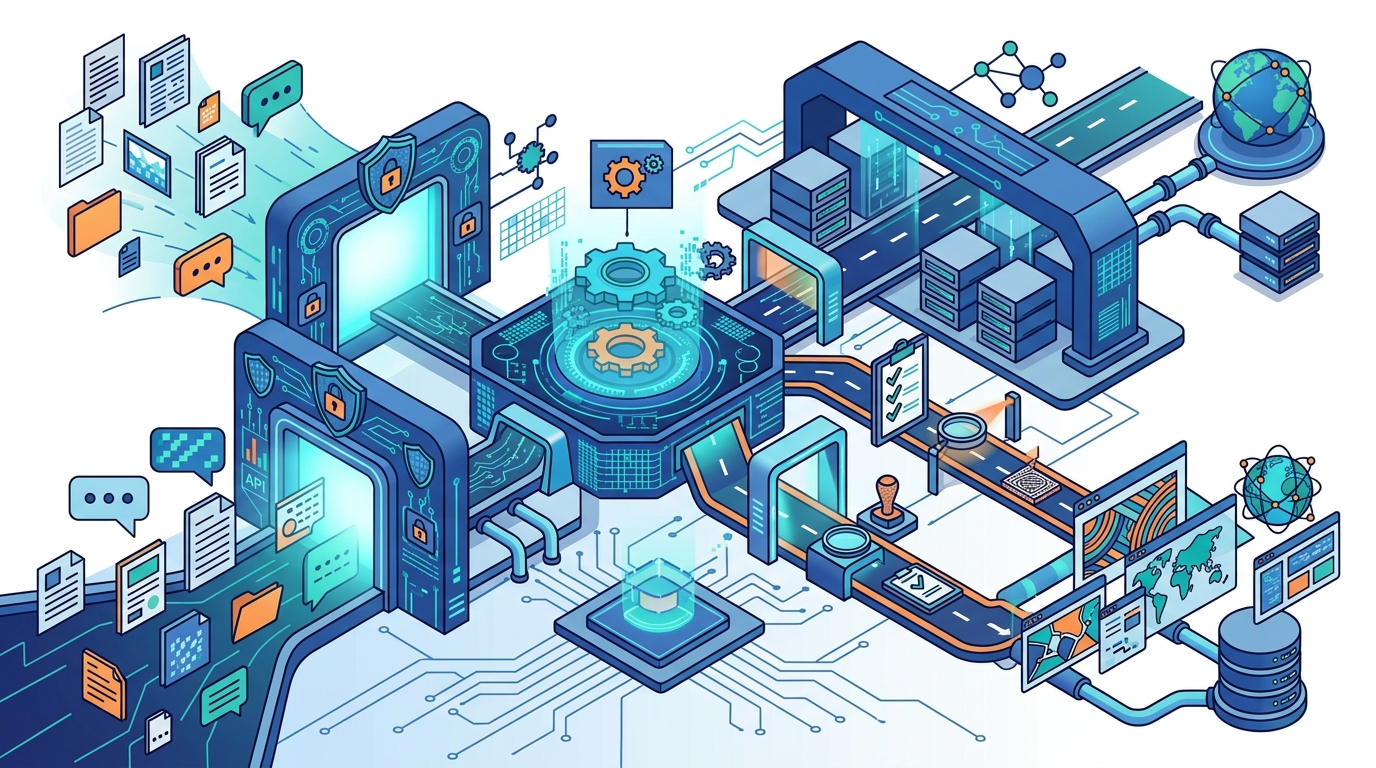
Translation data is a data asset. It requires governance, quality assurance, and integration with other data systems. Acumen Velocity’s data strategy and consulting services help organizations ensure that their localization efforts align with their overall data architecture. This includes managing translation memory as a structured data source and ensuring that AI-driven translations meet quality standards.
By treating translation as a data management challenge, enterprises can avoid silos and ensure that localized content is accurate, consistent, and compliant. This holistic approach is often more valuable than the translation tool itself.
Key Takeaways
- Smartling is a TMS that combines AI and human translation for scalable localization.
- Its AI features focus on workflow automation, consistency, and project management.
- Security and compliance features, including SOC 2 and GDPR, are essential for enterprise use.
- Cost-effectiveness depends on content volume and workflow complexity.
- Translation data should be governed as part of a broader data strategy.
- Acumen Velocity can help align localization tools with enterprise data architecture.
Frequently Asked Questions
Does Smartling use AI for all translations?
No, Smartling uses a hybrid model. It offers machine translation for speed and cost-efficiency, but it also provides access to a network of human translators for higher-quality, context-sensitive content. Enterprises can choose the appropriate level of AI involvement for each project.
Is Smartling suitable for small businesses?
Smartling is primarily designed for mid-sized to large enterprises. Its pricing and feature set may be more than what a small business with limited localization needs requires. Smaller organizations might find simpler, API-based machine translation services more cost-effective.
How does Smartling ensure translation quality?
Smartling ensures quality through a combination of translation memory, terminology management, and human review options. The platform tracks consistency across projects and allows for post-editing of machine translations by professional linguists.
Can Smartling integrate with our existing CMS?
Yes, Smartling offers integrations with popular CMS platforms like WordPress, Drupal, and Adobe Experience Manager, as well as development tools like Git and Jira. It also provides APIs for custom integrations.
What is the difference between Smartling and a pure MT API?
A pure machine translation API provides raw text translation. Smartling is a full translation management system that includes project management, file handling, quality assurance, and human translation options. It manages the entire workflow, not just the translation step.
How does Acumen Velocity help with translation data?
Acumen Velocity helps enterprises govern and integrate translation data into their broader data architecture. This ensures that localization assets are secure, consistent, and aligned with overall data strategy and compliance requirements.
Conclusion
Smartling is a robust solution for enterprise teams that need scalable, secure, and managed localization. Its AI features streamline workflows, but the true value lies in its ability to manage the entire translation lifecycle. For organizations looking to align their localization efforts with a broader data strategy, Acumen Velocity provides the expertise to ensure that translation data is governed, high-quality, and integrated into your enterprise architecture. To discuss how to evaluate and implement translation tools within your data strategy, contact our team. Learn more: Contact us.