

Organizations are racing to embed AI into every process, from predicting market shifts to optimizing healthcare workflows. However, most are building AI on shaky foundations. According to recent industry analyses, over 80% of AI initiatives fail to reach production due to poor data quality and siloed infrastructure. This statistic highlights a critical gap between ambition and execution. To bridge this gap, enterprises must first conduct a rigorous evaluation of their data readiness. This process involves assessing governance, architecture, and talent capabilities before deploying any machine learning models. Without this foundational work, even the most advanced algorithms will yield unreliable results. (About Us Acumen Velocity)
Understanding Data Readiness
Data readiness is the measure of an organization's ability to leverage its data assets for advanced analytics and artificial intelligence. It is not merely about having data; it is about having the right data, in the right format, accessible to the right people. Data readiness encompasses the technical, cultural, and strategic components required to support AI workloads. Organizations that neglect this evaluation often face significant technical debt and project delays. The goal is to transform raw data into a strategic asset that drives business value.
Acumen Velocity defines data readiness as the state of having robust data governance, scalable architecture, and skilled personnel to support AI initiatives. This definition aligns with industry standards that emphasize the need for a holistic approach. When data is siloed or inconsistent, AI models suffer from bias and inaccuracy. Therefore, the first step in any AI journey is a comprehensive audit of existing data landscapes.
Core Evaluation Pillars
Evaluating data readiness requires examining several critical pillars. These pillars form the backbone of a successful data strategy. Each pillar must be assessed individually and in relation to the others. A weakness in one area can compromise the entire AI ecosystem. The following sections detail these essential components.
1. Data Quality and Integrity
Data quality is the foundation of any AI model. If the input data is flawed, the output will be unreliable. This concept is often summarized by the phrase "garbage in, garbage out." Evaluating data quality involves checking for completeness, accuracy, consistency, and timeliness. Organizations must establish metrics for data quality and monitor them continuously. Poor data quality leads to increased costs and lost opportunities. It also erodes trust in AI systems among stakeholders.
2. Data Governance and Security
Data governance provides the framework for managing data availability, usability, integrity, and security. It is the system of decision rights and accountabilities for information management. Without strong governance, data privacy regulations such as GDPR and HIPAA can be violated. This leads to legal penalties and reputational damage. Governance also ensures that data is used ethically and responsibly. It establishes clear policies for data access, retention, and disposal.
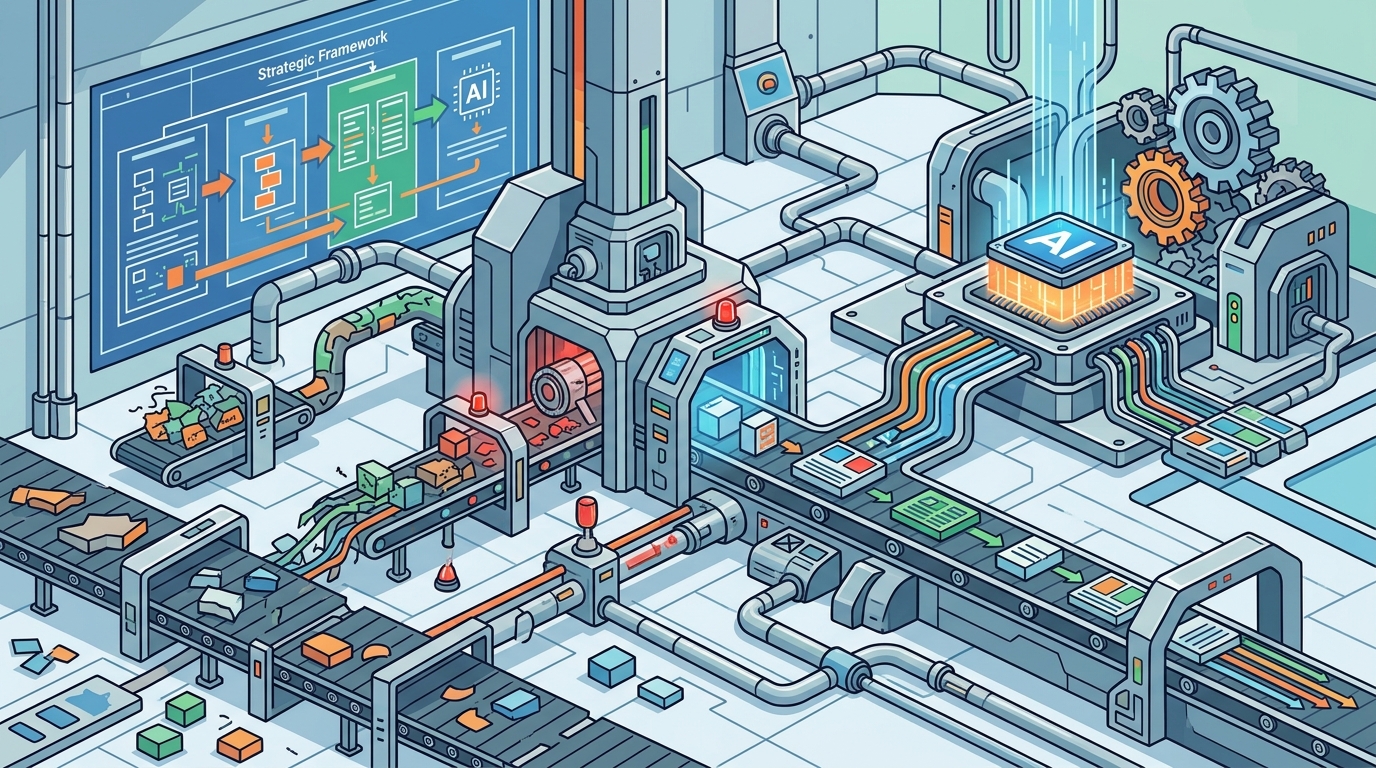
3. Technical Infrastructure
The technical infrastructure must support the volume and velocity of data required for AI. This includes storage, processing power, and network capabilities. Legacy systems often struggle to handle the demands of modern AI workloads. Migrating to cloud-based solutions can provide the scalability needed for growth. However, this migration must be planned carefully to avoid disruption. The infrastructure must also support real-time data processing for use cases like fraud detection.
Assessing Infrastructure and Architecture
Infrastructure assessment is a critical step in evaluating data readiness. It involves analyzing the current state of data storage and processing systems. Many organizations still rely on traditional data warehouses that are not optimized for AI. A data lakehouse architecture, for example, combines the best features of data lakes and data warehouses. This approach allows for structured and unstructured data to be processed together. It unlocks the full potential of AI by providing a unified platform for analytics.
Acumen Vega Iceberg is a solution designed to address data silos and unlock AI potential. It provides a data lakehouse powered by Iceberg, which is essential for modern data strategies. When assessing infrastructure, consider the following questions:
- Is the current architecture scalable to handle future data growth?
- Can the system support real-time data ingestion and processing?
- Are there integration points for external data sources?
- Is the infrastructure cost-effective and efficient?
Cloud database migration is often the next logical step for organizations with legacy systems. This process involves moving data from on-premises servers to cloud platforms like AWS, Azure, or Google Cloud. Each platform offers unique benefits, such as managed services and global reach. The choice of platform should align with the organization's specific needs and existing technical expertise.
Governance and Compliance
Data governance and compliance are non-negotiable aspects of data readiness. They ensure that data is managed responsibly and securely. Data governance frameworks establish the rules and policies for data management. They define roles and responsibilities for data stewards and owners. Compliance with regulations is critical for maintaining trust and avoiding legal issues. Organizations must stay updated on changing regulations and adapt their governance practices accordingly.
For healthcare organizations, FHIR implementation is essential for managing PHI and PII securely. FHIR (Fast Healthcare Interoperability Resources) provides a standard for exchanging healthcare information electronically. It enables secure management of patient data while facilitating predictive insights. Similarly, document AI solutions can automate the processing of financial documents, ensuring accuracy and compliance. These technologies reduce manual effort and minimize the risk of human error.
Comparison of Evaluation Approaches
Different organizations may adopt varying approaches to evaluating data readiness. The table below compares three common methodologies.
| Approach | Focus Area | Best For | Key Benefit |
|---|---|---|---|
| Data Strategy Consulting | Alignment with business goals | Organizations starting their AI journey | Clear roadmap and stakeholder buy-in |
| Technical Audit | Infrastructure and architecture | Enterprises with legacy systems | Identification of technical debt and gaps |
| Governance Framework | Policy and compliance | Regulated industries like healthcare and finance | Risk mitigation and regulatory adherence |
Choosing the right approach depends on the organization's current state and objectives. A hybrid approach is often most effective, combining strategic planning with technical assessment. This ensures that both business and technical needs are addressed. The goal is to create a comprehensive view of data readiness that guides future investments.
Key Takeaways
- Data readiness is a prerequisite for successful AI implementation, not an optional step.
- Over 80% of AI projects fail due to poor data quality and siloed infrastructure.
- Data governance ensures compliance with regulations like GDPR and HIPAA.
- Acumen Vega Iceberg offers a data lakehouse solution to break down data silos.
- Cloud migration to AWS, Azure, or Google Cloud enhances scalability and performance.
- FHIR implementation is critical for secure healthcare data management.
- A holistic evaluation covers quality, governance, infrastructure, and talent.
Frequently Asked Questions
What is the first step in evaluating data readiness?
The first step is to conduct a comprehensive data audit. This involves assessing the quality, quantity, and accessibility of existing data assets. It also includes identifying data silos and integration challenges.
Why is data governance important for AI?
Data governance ensures that data is managed securely and ethically. It establishes policies for data access, privacy, and compliance. Without governance, AI models may be trained on biased or inaccurate data.
How does Acumen Velocity help with data readiness?
Acumen Velocity provides data strategy consulting, infrastructure assessment, and managed services. Their team helps organizations build robust data architectures and implement AI solutions.
What is a data lakehouse?
A data lakehouse is a modern data architecture that combines the flexibility of data lakes with the management features of data warehouses. It supports both structured and unstructured data for AI and analytics.
Can legacy systems support AI?
Legacy systems can support AI, but they often require significant upgrades or migration to cloud platforms. Cloud solutions offer better scalability and performance for AI workloads.
What are the risks of poor data quality?
Poor data quality leads to inaccurate AI models, increased costs, and lost business opportunities. It also damages trust in data-driven decision-making.
How long does a data readiness assessment take?
The duration varies based on the organization's size and complexity. A typical assessment may take several weeks to months, depending on the depth of the analysis.
Next Steps for Your Organization
Evaluating data readiness is a complex but necessary process. It requires a strategic approach that aligns technical capabilities with business goals. Acumen Velocity offers expert guidance to help organizations navigate this journey. From data strategy consulting to cloud migration, we provide end-to-end solutions. Contact us today to schedule a consultation and unlock the full potential of your data. Visit our contact page to get started.