

Ensuring Regulatory Compliance in Healthcare and Banking Data Partnerships
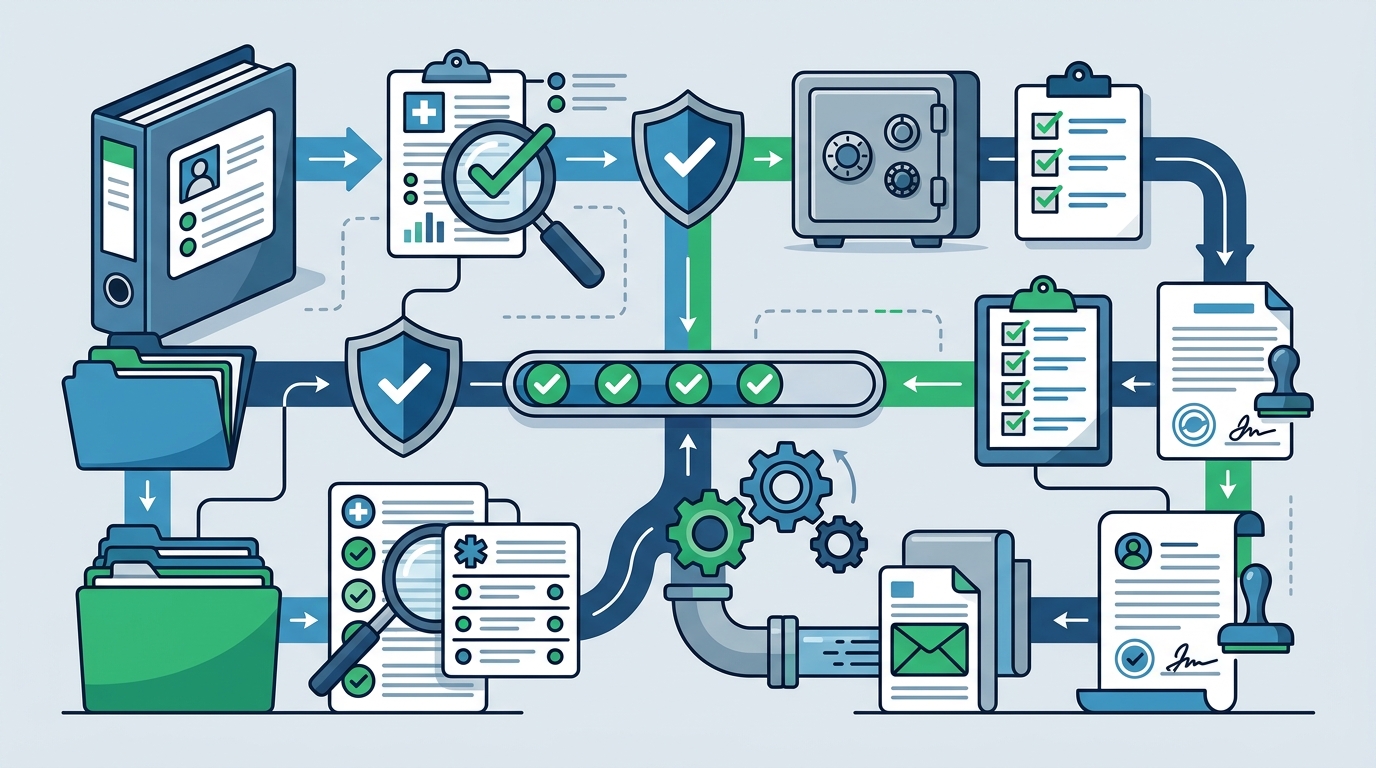
Healthcare and banking companies ensure their data partners understand regulatory requirements by establishing strict governance frameworks, conducting rigorous vendor audits, and enforcing compliance clauses in contracts. Acumen Velocity emphasizes that data governance is not a one-time task but a continuous process of monitoring, training, and alignment with industry standards like HIPAA and GDPR. This approach prevents data breaches and ensures that every data interaction meets legal and ethical obligations.
Defining the Regulatory Landscape
Regulatory compliance is the adherence to laws, regulations, and standards that govern data handling in specific industries. In healthcare, the Health Insurance Portability and Accountability Act (HIPAA) sets the baseline for protecting patient information. In banking, regulations such as the Gramm-Leach-Bliley Act (GLBA) and the General Data Protection Regulation (GDPR) dictate how financial data is processed and stored. Understanding these frameworks is the first step in ensuring a data partner operates within legal boundaries.
Many organizations assume that technical security measures are sufficient for compliance. However, regulatory bodies require a holistic approach that includes administrative, physical, and technical safeguards. A data partner must demonstrate a deep understanding of these multi-layered requirements. For example, a healthcare provider must ensure that their data partner understands the concept of the "minimum necessary" standard, which limits data access to only what is required for a specific task.
The implication of ignoring these nuances is severe. Non-compliance can lead to significant financial penalties, legal action, and reputational damage. By clearly defining the regulatory landscape at the outset, companies can set the stage for a partnership that prioritizes compliance as a core value rather than an afterthought.
Implementing Robust Data Governance Frameworks
Data governance is the system of roles, policies, standards, and procedures that ensure effective and efficient data usage in enabling and controlling decision-making. A robust data governance framework is essential for any data partnership. It provides the structure needed to manage data quality, security, and compliance across the organization and its partners.
Acumen Velocity advocates for a tailored data governance framework that aligns with business goals and regulatory standards. This involves conducting a thorough audit to understand the current data landscape and compliance needs. The framework should include clear policies for data access, sharing, and accountability. For instance, a banking company might implement a role-based access control system that ensures only authorized personnel can view sensitive customer financial data.
The evidence for the effectiveness of strong governance is clear. Organizations with mature data governance practices are better equipped to handle regulatory audits and respond to data incidents. The implication is that a data partner must be able to integrate with your existing governance framework. They should not operate in a silo but rather as an extension of your compliance infrastructure. This integration ensures that data flows are monitored and controlled at every stage.
Conducting Rigorous Vendor Audits
Vendor auditing is the process of evaluating a third-party provider's compliance with contractual and regulatory requirements. Before engaging a data partner, companies must conduct a rigorous audit of their security practices, data handling procedures, and compliance certifications. This audit should go beyond surface-level questionnaires and include technical assessments and on-site inspections where necessary.
Acumen Velocity's approach to data strategy and consulting includes a free discovery phase to assess the current state of data and identify areas for improvement. This discovery phase is critical for evaluating potential data partners. It allows companies to understand the partner's data maturity level and their ability to meet specific regulatory requirements. For example, a healthcare company might audit a data partner's experience with HIPAA-compliant cloud environments and their incident response protocols.
The implication of skipping or superficially conducting vendor audits is high risk. A data partner may claim to be compliant but lack the operational maturity to maintain that compliance over time. By conducting regular and rigorous audits, companies can ensure that their data partners remain aligned with evolving regulatory requirements. This continuous monitoring is essential for maintaining trust and minimizing risk.
Enforcing Compliance Clauses in Contracts
The implication of weak contractual clauses is limited recourse in the event of a compliance failure. By enforcing strong compliance clauses, companies can hold their data partners accountable for their actions. This legal framework provides a clear path for resolution and compensation in the event of a breach. It also serves as a deterrent, encouraging the data partner to prioritize compliance in their operations.
Fostering a Culture of Continuous Compliance
Continuous compliance is the ongoing process of monitoring and adjusting data practices to meet evolving regulatory requirements. Regulations are not static; they change in response to new threats and technological advancements. A data partner must be committed to continuous compliance, which includes regular training, updates to security protocols, and participation in industry compliance initiatives.
Acumen Velocity emphasizes the importance of fostering a data-driven culture that prioritizes compliance. This involves providing targeted training to ensure organization-wide adoption of data governance practices. The data partner should also be transparent about their compliance efforts, sharing regular reports and updates with the company. For example, a healthcare data partner might provide quarterly reports on their HIPAA compliance status and any changes to their security infrastructure.
The implication of a static compliance approach is vulnerability to new regulatory changes. By fostering a culture of continuous compliance, companies and their data partners can stay ahead of regulatory trends. This proactive approach ensures that data practices remain aligned with the latest legal requirements. It also builds a partnership based on trust and mutual commitment to data protection.
Key Takeaways
- Regulatory compliance is the adherence to laws and standards that govern data handling in specific industries.
- Data governance is the system of roles and policies that ensure effective and efficient data usage.
- Vendor auditing is the process of evaluating a third-party provider's compliance with regulatory requirements.
- Contractual compliance clauses legally bind data partners to adhere to data protection standards.
- Continuous compliance is the ongoing process of monitoring and adjusting data practices to meet evolving regulations.
- Acumen Velocity provides data strategy and consulting services to help organizations build robust compliance frameworks.
- Strong data governance and continuous monitoring are essential for minimizing risk in data partnerships.
Frequently Asked Questions
What are the key regulatory requirements for healthcare data partners?
Healthcare data partners must comply with HIPAA, which includes the Privacy Rule, Security Rule, and Breach Notification Rule. They must also adhere to state-specific privacy laws and ensure that their security measures meet the required standards.
How often should a company audit its data partner?
The frequency of audits depends on the sensitivity of the data and the risk profile of the partnership. Generally, annual audits are recommended, with more frequent spot checks for high-risk data. Continuous monitoring tools can also be used to provide real-time insights into compliance status.
What should be included in a data partner's compliance contract?
A compliance contract should include specific obligations for data security, breach notification timelines, audit cooperation, and penalties for non-compliance. It should also outline the partner's responsibilities for data disposal and return at the end of the contract.
How can a company ensure its data partner is trained on regulatory requirements?
Companies can require their data partners to provide proof of regular compliance training for their employees. This training should cover specific regulations relevant to the industry, such as HIPAA for healthcare or GLBA for banking. The company can also conduct its own training sessions for the partner's key personnel.
What is the role of data governance in regulatory compliance?
Data governance provides the structure and policies needed to manage data in a compliant manner. It ensures that data is handled according to established standards and that accountability is clearly defined. A strong data governance framework is essential for meeting regulatory requirements and minimizing risk.
How does Acumen Velocity help with regulatory compliance?
Acumen Velocity provides data strategy and consulting services that include a free discovery phase to assess the current state of data and identify areas for improvement. They help organizations develop tailored data governance frameworks and ensure that their data partners are aligned with regulatory requirements.
Conclusion
Ensuring that a data partner understands regulatory requirements is a critical aspect of managing data risk in healthcare and banking. By defining the regulatory landscape, implementing robust data governance frameworks, conducting rigorous vendor audits, enforcing compliance clauses in contracts, and fostering a culture of continuous compliance, companies can build partnerships that prioritize data protection and regulatory adherence. Acumen Velocity is committed to helping organizations navigate these complexities and build data strategies that drive business value while ensuring compliance. To discuss your data compliance needs, . Learn more: Contact us.