

Researchers need secure, governed access to multiple AI models within their own cloud environment to drive innovation without compromising data sovereignty. Acumen Velocity provides this capability through its AI Workbench, a secure workspace that routes requests to the best-fit model while keeping IT in control of usage and cost. This guide covers enterprise LLM platforms and AI model gateways, explaining how to build a secure, multi-model foundation for your research teams.
Enterprise LLM Platforms
Enterprise LLM platforms are integrated systems that combine model access, governance, and analytics to support organizational AI strategies. These platforms move beyond simple API calls to provide a unified environment for data ingestion, model routing, and usage tracking. For researchers, this means a single interface to interact with various models while maintaining strict security protocols.
The Shift to Governed Access
Traditional AI adoption often results in fragmented subscriptions, where each team chooses its own tools. This leads to a lack of visibility into usage and cost. A modern enterprise platform consolidates these tools into one secure workspace. Acumen Velocity's AI Workbench exemplifies this approach by placing major models like ChatGPT, Claude, and Gemini in a single window. This consolidation ensures that history and context remain with the organization, not with a single vendor.
Security and Data Sovereignty
Security is the primary driver for researchers seeking in-cloud access. By running on secure hosting in a dedicated tenant, the platform ensures that sensitive research data never leaves the organization's control. This architecture supports compliance with strict regulatory standards. The platform allows IT to monitor usage by department, enabling chargeback models that align AI spend with business units. This level of control is critical for organizations that require audit trails and data privacy.
Strategic Alignment and Roadmapping
Enterprise platforms provide leadership with a roadmap based on actual usage data. Instead of guessing which models will be useful, leaders can see what each department actually uses AI for. This data-driven approach allows for a 12-month plan that reflects real operational needs. By integrating with existing data architectures, these platforms ensure that AI initiatives are grounded in the organization's broader data strategy and consulting goals.
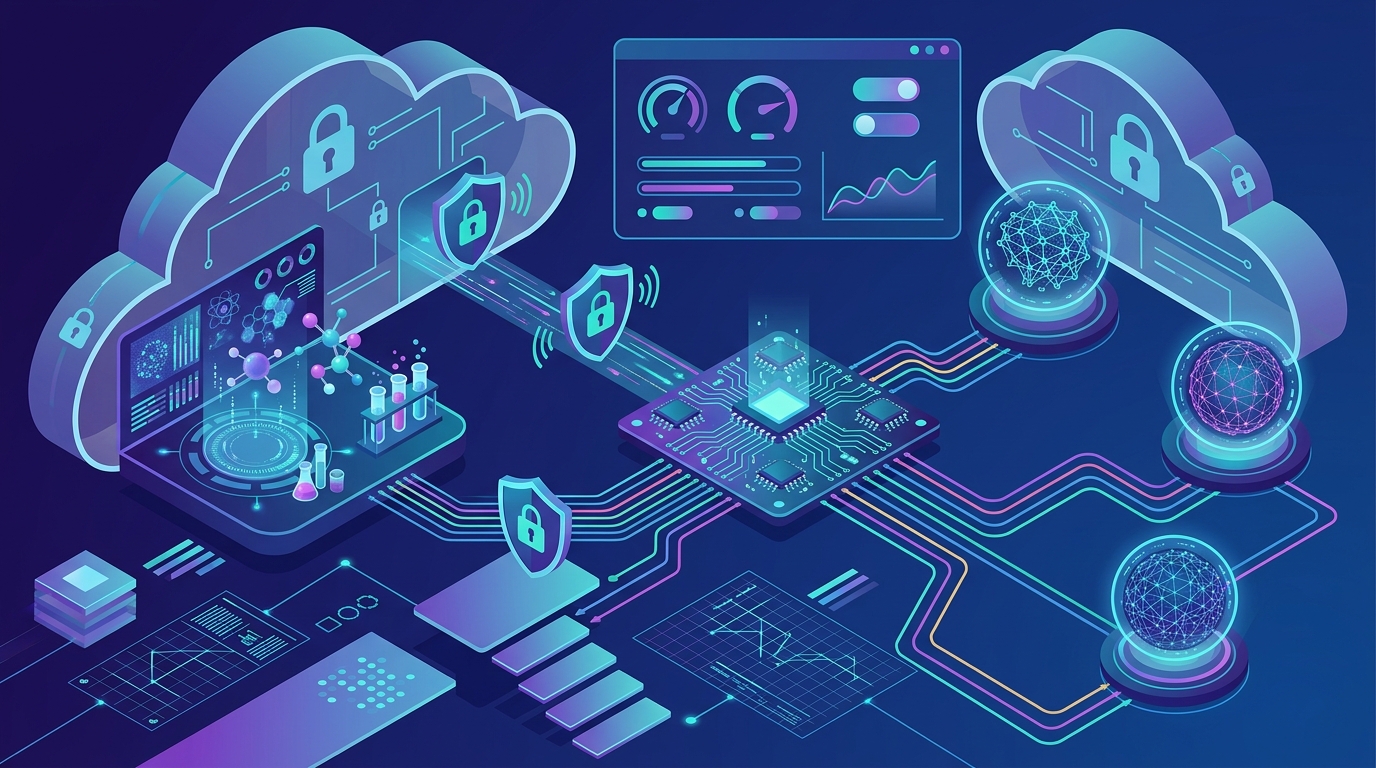
AI Model Gateways
An AI model gateway is a middleware layer that sits between applications and AI models, handling routing, authentication, and rate limiting. This abstraction layer allows developers and researchers to interact with a unified API, regardless of the underlying model provider. The gateway ensures that the right model is used for the right task, optimizing both performance and cost.
Intelligent Routing and Cost Optimization
One of the key features of a model gateway is intelligent routing. Routine tasks are automatically sent to lower-cost models, while complex reasoning tasks are directed to top-tier models. This dynamic routing prevents the waste of using expensive models for simple queries. For finance teams, this translates to lower rates through negotiated private contracts. The gateway provides a single bill for all models, simplifying financial management and budgeting.
Integration with Data Ecosystems
Model gateways are most effective when integrated with a robust data ecosystem. They can connect to MCP servers, data agents, and web access, allowing models to retrieve real-time information. This integration is supported by data architecture and integration services that ensure seamless data flow. By connecting the gateway to the organization's data lake or warehouse, researchers can ground their AI interactions in verified, high-quality data.
Comparison of Access Models
| Feature | Direct API Access | AI Model Gateway |
|---|---|---|
| Model Variety | Limited to specific vendor | Multiple vendors in one interface |
| Cost Control | Individual subscriptions | Centralized billing and routing |
| Security | Varies by vendor | Unified security and governance |
| Usage Visibility | Fragmented | Department-level reporting |
The table above highlights the advantages of using a gateway over direct API access. The gateway model provides a more secure and cost-effective solution for organizations that need to manage multiple AI models. It shifts the focus from individual tool selection to organizational governance.
Key Takeaways
- Enterprise LLM platforms provide a unified environment for model access, governance, and analytics.
- AI model gateways enable intelligent routing, optimizing cost and performance for different tasks.
- Secure, in-cloud access ensures data sovereignty and compliance with regulatory standards.
- Centralized billing simplifies financial management and enables department-level chargeback.
- Usage data from the platform provides a roadmap for future AI investments.
- Integration with existing data architectures ensures that AI models are grounded in high-quality data.
- A pilot approach with a small group allows organizations to validate AI use cases before scaling.
Frequently Asked Questions
What is an AI model gateway?
An AI model gateway is a middleware layer that routes requests to different AI models based on the task, providing a unified API for developers and researchers.
How does a gateway ensure security?
Gateways run on secure hosting in a dedicated tenant, ensuring that data remains within the organization's control and complies with security standards.
Can I use multiple models with one contract?
Yes, platforms like AI Workbench allow organizations to sign one contract and pay one bill for access to multiple models from different vendors.
How does intelligent routing work?
Intelligent routing automatically sends routine tasks to lower-cost models and complex tasks to top-tier models, optimizing both cost and performance.
What is the benefit of centralized billing?
Centralized billing simplifies financial management by providing a single invoice for all AI usage, making it easier to track and allocate costs by department.
How can I start using an AI model gateway?
Organizations can start with a pilot involving 10 to 25 people to validate use cases and measure usage before scaling to the entire organization.
Conclusion
Securing multi-model AI access within your own cloud environment is essential for modern research and innovation. By leveraging enterprise LLM platforms and AI model gateways, organizations can maintain data sovereignty while accessing the best tools for their needs. Acumen Velocity's AI Workbench provides a robust solution for this challenge, offering a secure workspace with intelligent routing and centralized billing. To plan your visit and explore how we can help your team, contact our team.