

Enterprises need platforms that provide centralized dashboards, automated logging, and real-time monitoring to track AI model usage across all departments. These tools ensure that every deployed model is accounted for, compliant, and performing as expected. This guide explores the critical components of AI observability and shadow AI detection. It explains how organizations can build a unified view of their AI estate to drive better decision-making and security.
AI Observability Tools
AI observability is the practice of monitoring, measuring, and understanding the performance and behavior of AI systems in production. Unlike traditional software monitoring, which focuses on uptime and latency, AI observability tracks data quality, model drift, and bias. This distinction is critical because a model can be technically operational while producing inaccurate or harmful outputs.
Core Components of AI Monitoring
Effective observability platforms integrate three core components: data monitoring, model performance tracking, and system health checks. Data monitoring ensures that the input data remains consistent with the training data. Model performance tracking measures accuracy, precision, and recall over time. System health checks verify that the infrastructure supporting the model, such as GPUs or cloud instances, is functioning correctly.
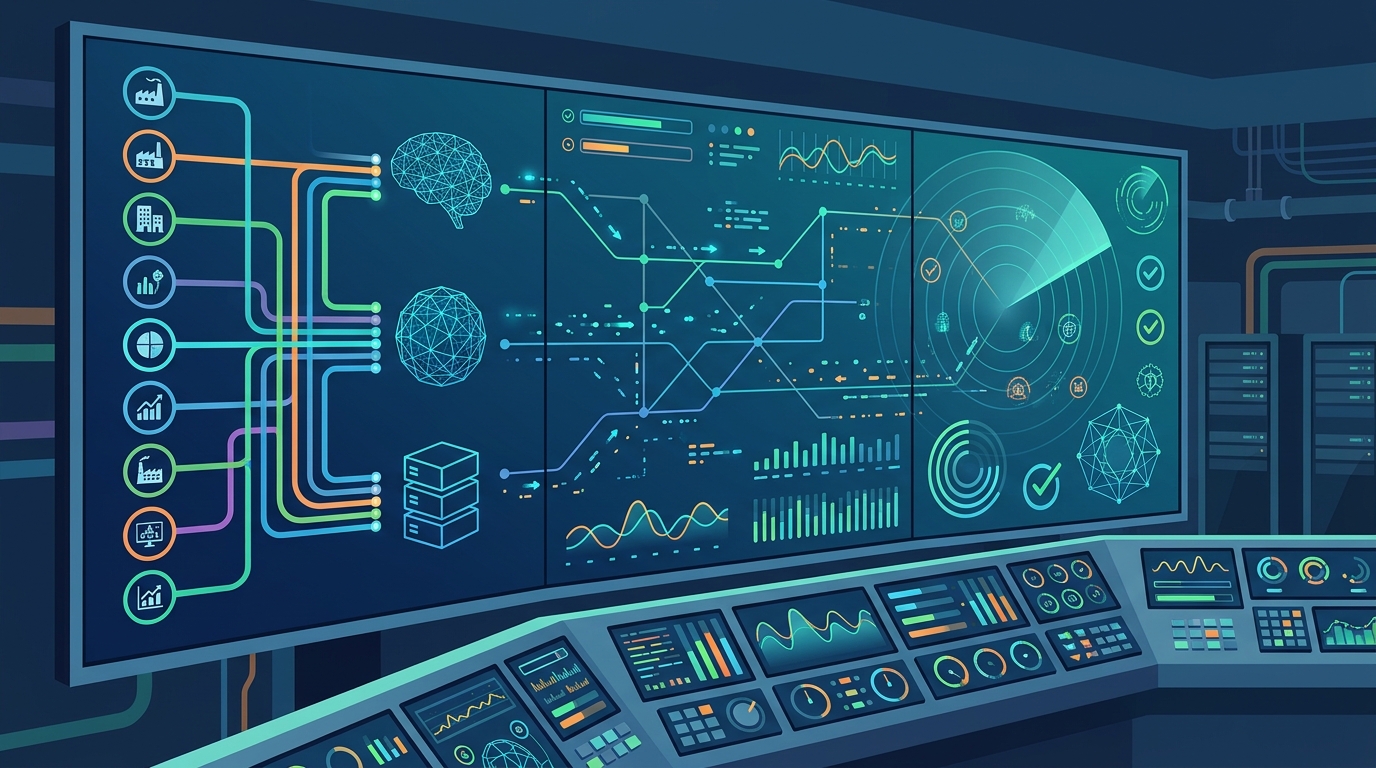
Organizations often struggle with fragmented data sources. Data scattered across different departments and databases introduces redundancies and inefficiencies. A unified observability platform consolidates these signals into a single pane of glass. This allows data scientists and IT teams to correlate infrastructure issues with model degradation. For example, a sudden drop in model accuracy might be traced to a change in the upstream data pipeline rather than the model itself.
The Role of Data Quality in Observability
Data quality is the measure of the quality of data within the organization and its ability to serve organizational decision making. High-quality data is not just a technical term for clean data; it is a strategic asset that determines the success of AI initiatives. Poor data quality in the model, characterized by inaccuracies, inconsistencies, and incompleteness, can lead to skewed insights and inefficient processes.
Observability tools must therefore include robust data quality checks. These checks validate that incoming data meets predefined standards for accuracy, completeness, and consistency. When data quality drops, the platform should trigger alerts before the model produces bad outputs. This proactive approach prevents costly mistakes and maintains trust in AI-driven decisions. Acumen Velocity emphasizes that AI is only as good as the data feeding it, making data quality monitoring a non-negotiable part of any observability strategy.
Integration with Modern Data Platforms
Modern data platforms are designed to handle the increasing scale, complexity, and diversity of data sources. A data platform is an integrated and scalable system that combines technologies, processes, and governance to support the end-to-end lifecycle of data within an organization. Observability tools must integrate seamlessly with these platforms to provide end-to-end visibility.
Integration with open standards like Apache Iceberg is particularly valuable. Iceberg decouples storage from compute and supports massive schema evolution. This allows observability tools to access historical data snapshots for debugging and auditing. By leveraging open table formats, enterprises can avoid vendor lock-in while maintaining rigorous monitoring capabilities. This flexibility is essential for organizations building intelligent, ML-powered platforms that need to evolve over time.
Shadow AI Detection
Shadow AI refers to the use of AI tools and models by employees without the knowledge or approval of the IT or data governance teams. This phenomenon poses significant security and compliance risks. Employees may use unauthorized AI services to process sensitive data, leading to data breaches or regulatory violations. Detecting and managing shadow AI is a critical component of enterprise AI governance.
Identifying Unauthorized AI Usage
Shadow AI often emerges when employees seek to solve problems faster than official channels allow. They may use consumer-grade AI tools to analyze customer data or generate code. These tools are rarely subject to the same security and privacy controls as enterprise-approved solutions. Detection requires monitoring network traffic, API calls, and data access patterns.
Network monitoring can identify connections to known AI service providers. API call logs can reveal unauthorized access to model endpoints. Data access patterns can highlight unusual volumes of data being sent to external services. By correlating these signals, security teams can identify potential shadow AI usage. This process requires a deep understanding of the organization's data landscape and the tools employees are likely to use.
Governance and Compliance Frameworks
Establishing a data governance framework is essential for managing shadow AI. Data governance is the practice of managing the availability, usability, integrity, security, and confidentiality of data used in an organization. A robust framework defines policies for data access, sharing, and accountability. It also establishes processes for approving and onboarding new AI tools.
Compliance with regulations such as GDPR and HIPAA is a key driver for shadow AI detection. Industries such as healthcare, finance, and government are subject to strict data regulations. Poor data governance can lead to heavy compliance fines and reputational damage. By implementing automated detection and governance workflows, organizations can ensure that all AI usage is compliant and secure. This approach not only mitigates risk but also fosters a culture of responsible AI adoption.
Building a Unified AI Estate View
A unified view of the AI estate is the ultimate goal of both observability and shadow AI detection. This view includes all approved and unauthorized AI models, their data sources, and their usage patterns. It provides a comprehensive map of the organization's AI footprint. With this map, leaders can make informed decisions about resource allocation, risk management, and strategic direction.
Building this view requires collaboration across IT, data, security, and business teams. It also requires the right tools and processes to collect and analyze data from disparate sources. Acumen Velocity helps organizations build this unified view by leveraging best-of-breed solutions and AI methodologies. Their approach focuses on transforming legacy data utilization and enhancing data quality to unlock effective decision-making.
| Primary Focus | Performance and quality of approved models | Identification of unauthorized AI usage |
| Key Metrics | Accuracy, drift, latency, data quality | Network traffic, API calls, data access patterns |
| Primary Stakeholders | Data scientists, ML engineers, IT operations | Security teams, compliance officers, IT governance |
| Goal | Ensure reliable and accurate AI outputs | Mitigate security and compliance risks |
| Integration | Data platforms, MLOps pipelines | Network monitoring, identity management |
Key Takeaways
- AI observability is the practice of monitoring the performance and behavior of AI systems in production, focusing on data quality, model drift, and system health.
- Data quality is a strategic asset that determines the success of AI initiatives, and poor data quality can lead to skewed insights and inefficient processes.
- Shadow AI refers to the use of AI tools without IT or data governance approval, posing significant security and compliance risks.
- Detecting shadow AI requires monitoring network traffic, API calls, and data access patterns to identify unauthorized usage.
- A robust data governance framework is essential for managing shadow AI and ensuring compliance with regulations like GDPR and HIPAA.
- Integrating observability tools with modern data platforms and open standards like Apache Iceberg helps avoid vendor lock-in and enables rigorous monitoring.
- A unified view of the AI estate, combining observability and shadow AI detection, is critical for making informed strategic decisions.
- Collaboration across IT, data, security, and business teams is necessary to build and maintain a comprehensive AI visibility framework.
Frequently Asked Questions
What is the difference between AI observability and traditional software monitoring?
Traditional software monitoring focuses on uptime, latency, and error rates. AI observability goes further by tracking data quality, model drift, and bias. It ensures that the model is not just running, but producing accurate and reliable outputs.
How can enterprises detect shadow AI usage?
Enterprises can detect shadow AI by monitoring network traffic for connections to known AI services, analyzing API call logs for unauthorized access, and reviewing data access patterns for unusual volumes of data being sent to external tools.
Why is data quality critical for AI observability?
Data quality is critical because AI models are only as good as the data they are trained on. Poor data quality leads to inaccurate predictions and biased outputs. Observability tools must include data quality checks to ensure that input data meets predefined standards.
What role do open standards like Apache Iceberg play in AI visibility?
Open standards like Apache Iceberg allow observability tools to access historical data snapshots and schema evolution. This enables rigorous debugging and auditing without vendor lock-in, providing a flexible foundation for AI monitoring.
How does data governance help manage shadow AI?
Data governance establishes policies for data access, sharing, and accountability. It defines processes for approving and onboarding new AI tools. By enforcing these policies, organizations can mitigate the risks associated with unauthorized AI usage.
What are the key metrics for monitoring AI models?
Key metrics include accuracy, precision, recall, model drift, latency, and data quality scores. These metrics provide a comprehensive view of the model's performance and the health of the underlying data and infrastructure.
How can organizations build a unified view of their AI estate?
Organizations can build a unified view by integrating observability tools with shadow AI detection systems. This requires collaboration across IT, data, security, and business teams to collect and analyze data from disparate sources into a single dashboard.
Why is compliance a major driver for AI visibility?
Compliance with regulations like GDPR and HIPAA is a major driver because poor data governance can lead to heavy fines and reputational damage. AI visibility ensures that all AI usage is compliant and secure, mitigating regulatory risks.
Conclusion
Achieving full visibility into AI model usage requires a combination of robust observability tools and effective shadow AI detection. By monitoring data quality, model performance, and system health, enterprises can ensure that their AI initiatives are reliable and secure. Acumen Velocity helps organizations navigate this complex landscape by providing best-of-breed solutions for data strategy, governance, and architecture. To start building your unified AI estate view, contact our team for a consultation.