

Organizations of varying scales face distinct financial realities when deploying data analytics infrastructure. The cost of implementation is not a single fixed figure but a spectrum defined by data volume, governance complexity, and integration depth. Acumen Velocity helps enterprises navigate these tiers by aligning technical architecture with business maturity. Understanding where your organization fits ensures you invest in the right level of capability without overspending on unused features.
1. Micro-Enterprises: The Self-Service Tier
Micro-businesses typically rely on off-the-shelf tools and minimal custom development. The primary expense here is software licensing for basic business intelligence platforms. Data sources are usually limited to a few internal databases or spreadsheets. This tier prioritizes speed to insight over deep governance or complex machine learning pipelines.
2. Small Businesses: The Integrated Tier
Small businesses begin integrating multiple data sources, requiring basic ETL (Extract, Transform, Load) processes. Costs rise due to the need for data cleaning and initial governance frameworks. Teams at this stage often hire a dedicated data analyst or a small fractional team to manage the stack. The focus shifts from simple reporting to actionable operational insights.
3. Mid-Market Companies: The Scalable Tier
Mid-market firms require scalable cloud data warehouses and robust data pipelines. The investment includes advanced data modeling and the beginning of AI/ML experimentation. Governance becomes a formal function, ensuring data quality and security across departments. This tier often involves a dedicated data engineering team of three to five specialists.
4. Large Enterprises: The Platform Tier
Large enterprises operate complex, multi-cloud or hybrid data platforms. The cost reflects the scale of data ingestion, petabyte-level storage, and high-availability infrastructure. Advanced analytics and real-time processing capabilities are standard. A full data platform team, including architects, engineers, and scientists, is required to maintain the ecosystem.
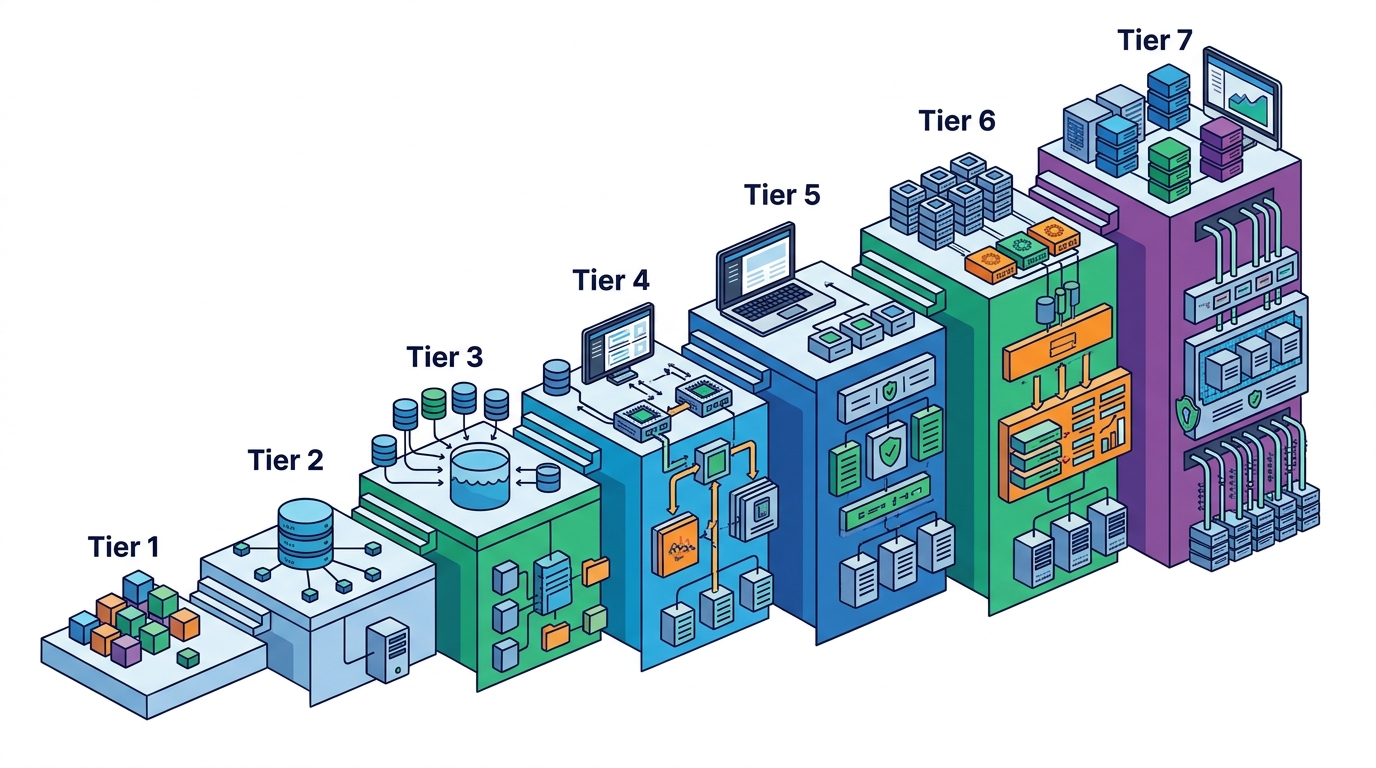
5. Global Corporations: The Ecosystem Tier
Global corporations manage data across multiple regions and regulatory jurisdictions. The expense includes sophisticated data governance, compliance automation, and global data mesh architectures. AI models are deployed at scale, requiring significant compute resources and MLOps infrastructure. This tier demands a large, specialized data organization with dedicated leadership.
6. Regulated Industries: The Compliance Tier
Cost Range: Premium 20-40% over standard tiers.
Industries like healthcare and finance face strict regulatory requirements that increase implementation costs. Additional spending goes to security controls, audit trails, and compliance monitoring tools. Data lineage and access management become critical, adding layers of complexity. Acumen Velocity emphasizes that compliance is not an afterthought but a core architectural requirement in these sectors.
7. AI-First Organizations: The Intelligence Tier
Cost Range: Variable, driven by compute and model training.
Organizations prioritizing generative AI and advanced machine learning face unique cost structures. The primary expense is not just storage but compute for model training and inference. Data readiness for AI requires higher quality and more contextualized data, increasing preparation costs. This tier focuses on deriving predictive and prescriptive insights rather than just descriptive reporting.
Choosing the Right Tier
Selecting the appropriate tier depends on your data maturity and business goals. Start with a clear assessment of your current data landscape and identify the specific insights you need. Avoid over-engineering your solution; build a foundation that can scale as your needs evolve. A phased approach often yields the best return on investment.
Frequently Asked Questions
What is the most expensive part of data analytics implementation?
For most organizations, data preparation and governance are the most costly components. Cleaning, structuring, and securing data often takes longer and requires more specialized skills than building the analytics models themselves.
How does company size affect data analytics costs?
Company size directly correlates with data volume and complexity. Larger organizations have more data sources, users, and regulatory requirements, which drive up infrastructure and personnel costs.
Can small businesses afford enterprise-grade data analytics?
Yes, cloud-based solutions have democratized access to enterprise-grade tools. Small businesses can leverage scalable cloud platforms to access advanced analytics without the massive upfront capital expenditure of legacy systems.
What role does data governance play in pricing?
Data governance adds cost but reduces risk. Implementing robust governance frameworks ensures data quality and compliance, preventing costly errors and regulatory fines in the long run.
How often should data analytics budgets be reviewed?
Budgets should be reviewed quarterly or whenever there is a significant change in business strategy or data volume. Regular reviews ensure that spending aligns with current needs and that resources are not wasted on underutilized tools.