
Organizations are racing to embed AI into every process, from predicting market shifts to optimizing healthcare workflows. However, most are building AI on shaky foundations because they selected cloud infrastructure based on cost alone rather than data readiness. According to recent industry analyses, cloud spending is projected to reach $679 billion in 2025, highlighting the massive scale of this transition. The critical differentiator is not just the platform itself, but how well it supports your specific data architecture and governance requirements. (About Us Acumen Velocity)
Assessing Data Readiness and Silos
Data silos limit AI and analytics potential. Before selecting a provider, you must evaluate how easily your existing data can be unified. Acumen Velocity addresses this challenge through Acumen Vega Iceberg, a data lakehouse solution powered by Iceberg that unlocks the full potential of your data. This approach ensures that your infrastructure is not just a storage bucket, but a dynamic engine for insight.
Data silos are isolated information systems that prevent seamless data flow across an organization. When choosing a cloud platform, prioritize those that support open table formats and interoperable architectures. This reduces the friction of integrating disparate sources into a unified view. Without this foundation, your analytics will remain fragmented and unreliable.
Furthermore, consider the scalability of the platform. As your data volume grows, the architecture must expand without requiring a complete rebuild. Look for providers that offer seamless scaling for both structured and unstructured data. This flexibility is crucial for maintaining performance during peak operational periods.
AI and Analytics Integration Capabilities
The modern data stack is no longer just about storage. It is about actionable intelligence. Generative AI solutions are transforming finance operations and customer experiences by enabling predictive insights. According to a 2024 report by McKinsey, AI adoption has doubled since 2017, making integration capabilities a primary selection criterion.
Generative AI is the simulation of human intelligence processes by machines, especially computer systems. When evaluating cloud platforms, verify their native support for large language models and enterprise search. Platforms that offer pre-built AI frameworks reduce the time-to-value for your data initiatives. This is particularly important for organizations looking to deploy chatbots or automated analytics quickly.
Additionally, consider the Acumen Translation Hub (ATH). This software as a service solution, available on Google Cloud Marketplace, demonstrates how specialized tools can enhance data utility. Ensure your chosen platform supports similar specialized workloads, whether for healthcare FHIR implementation or financial document AI.
Security, Governance, and Compliance
Data governance frameworks are essential for regulatory compliance and trust. In industries like healthcare and finance, the stakes are incredibly high. For instance, HIPAA regulations require strict protection of patient data, which dictates how cloud providers must handle PHI and PII. Your platform must offer robust identity management and encryption standards.
Data governance is the management of the availability, usability, integrity, and security of the data employed in an enterprise. When selecting a cloud provider, examine their compliance certifications thoroughly. Look for SOC 2 Type II, ISO 27001, and industry-specific validations. These certifications are not just badges; they are evidence of rigorous operational controls.
Quality Assurance and Security are also critical components of any data strategy. Your cloud platform should provide tools for continuous monitoring and threat detection. This proactive approach ensures that your data remains intact and accessible. It also builds confidence among stakeholders who rely on your data for critical decision-making.
Migration Strategy and Legacy Support
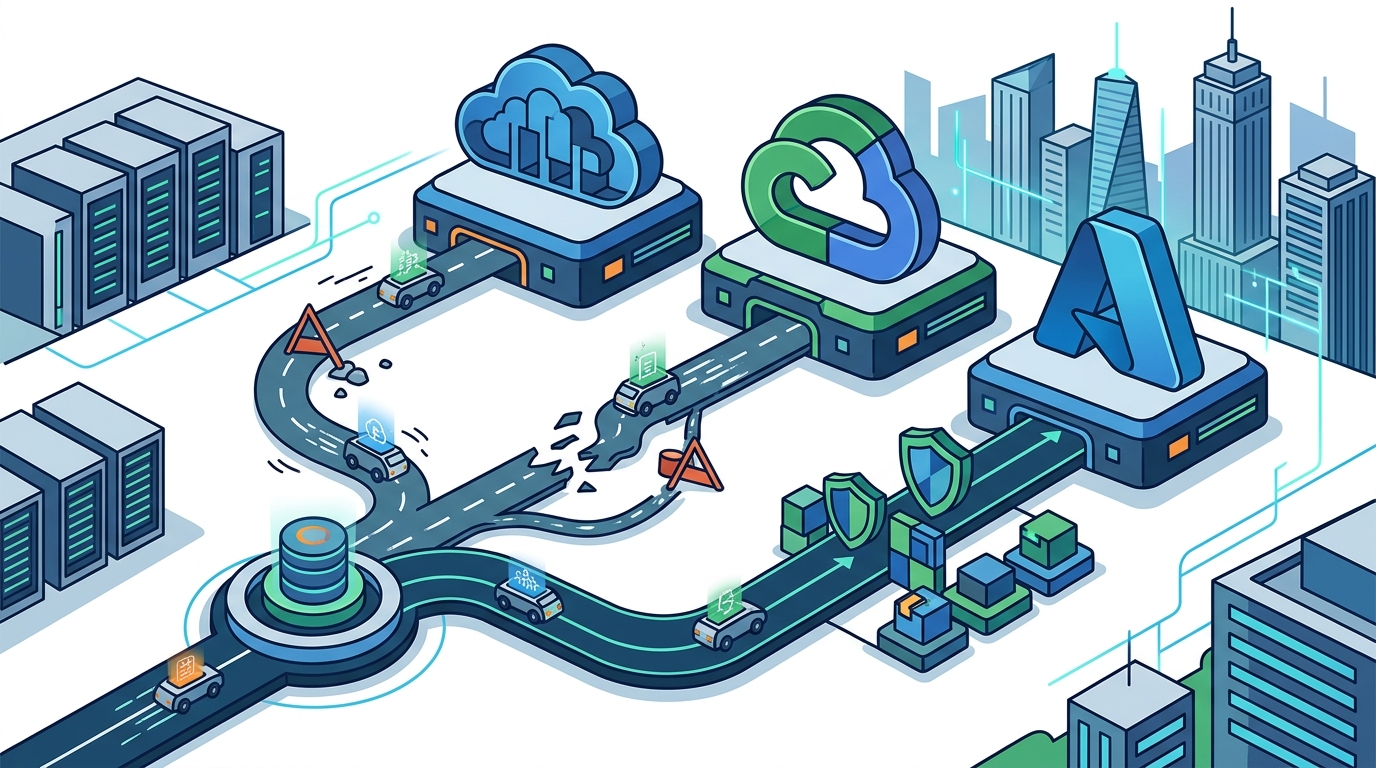
Migrating from legacy systems is a complex undertaking. It requires a clear understanding of your current Total Cost of Ownership (TCO) and the proposed architecture. Acumen Velocity’s process begins with assessing the current landscape and performing a detailed data assessment. This ensures that the migration path is realistic and efficient.
Cloud Database Migration is the process of moving data from on-premises servers to cloud-based infrastructure. When evaluating platforms, consider their support for legacy databases like Oracle, SQL Server, and mainframes. Providers with extensive experience in these areas can significantly reduce migration risks. They also offer better tools for data consistency and performance tuning during the transition.
Furthermore, consider the long-term maintenance of your migrated data. The platform should support ongoing optimization and performance tuning. This includes backup management and SLA adherence for highly visible systems. A partner with expertise in these areas, such as Acumen’s Data Architecture & Integration services, can ensure a smoother transition.
Engagement Models and Cost Efficiency
Cost is a major factor, but it should not be the only one. Cloud platforms offer various engagement models, from fixed pricing to managed time and material. According to Forrester, cloud computing can reduce IT costs by up to 30% when managed effectively. However, poor management can lead to unexpected expenses.
Fixed Pricing models provide predictable costs for powerful data solutions. This is ideal for projects with well-defined scopes. On the other hand, Managed Time & Material models offer flexible expertise for evolving requirements. Choose the model that aligns with your project’s complexity and your team’s capacity for oversight.
End-to-End Managed Services can also be a cost-effective option. These services provide proactive, seamless support to keep your operations running smoothly. This allows your internal team to focus on growth rather than infrastructure maintenance. Evaluate the total cost of ownership, including support, training, and potential vendor lock-in risks.
Key Takeaways
- Data Readiness is Foundational: Address data silos early using solutions like Acumen Vega Iceberg to unlock AI potential.
- AI Integration is Critical: Choose platforms with native support for generative AI and specialized tools like ATH.
- Compliance is Non-Negotiable: Verify HIPAA, SOC 2, and ISO certifications to ensure regulatory adherence.
- Migration Requires Expertise: Partner with experts who understand legacy systems and TCO calculation.
- Cost Models Vary: Select between fixed pricing and managed services based on project scope and flexibility needs.
- Security is Continuous: Prioritize platforms with robust identity management and threat detection capabilities.
- Strategic Alignment: Ensure the cloud platform supports your long-term business goals and data strategy.
Frequently Asked Questions
What is the most important factor in choosing a cloud platform?
Data readiness and alignment with your business goals are the most critical factors. Without a solid data strategy, even the most powerful platform will fail to deliver value.
How does AI integration impact cloud platform selection?
AI integration capabilities determine how quickly you can derive insights from your data. Platforms with native AI support reduce development time and enhance predictive accuracy.
What are the common cloud migration challenges?
Common challenges include data consistency, downtime management, and legacy system compatibility. A structured migration strategy mitigates these risks effectively.
How can I reduce cloud computing costs?
You can reduce costs by optimizing resource usage, choosing the right engagement model, and leveraging managed services for ongoing maintenance and support.
Why is data governance important for cloud platforms?
Data governance ensures data integrity, security, and compliance. It is essential for maintaining trust and meeting regulatory requirements in regulated industries.
What is Acumen Vega Iceberg?
Acumen Vega Iceberg is a data lakehouse solution that unlocks AI’s full potential by addressing data silos and enabling unified analytics.
How does Acumen Velocity approach cloud migration?
Acumen Velocity follows a seven-step process including landscape assessment, data evaluation, TCO calculation, and proof of concept implementation.
Ready to Transform Your Data Strategy?
Don’t let data silos limit your growth. Contact Acumen Velocity today to discuss your data readiness and explore how our AI-driven solutions can empower your business. Our team of experts is ready to help you navigate the complexities of cloud migration and AI integration.